Providing independent clinical excellence since 2005

The SCVC Blog

Cardiovascular care news and articles from our expert team

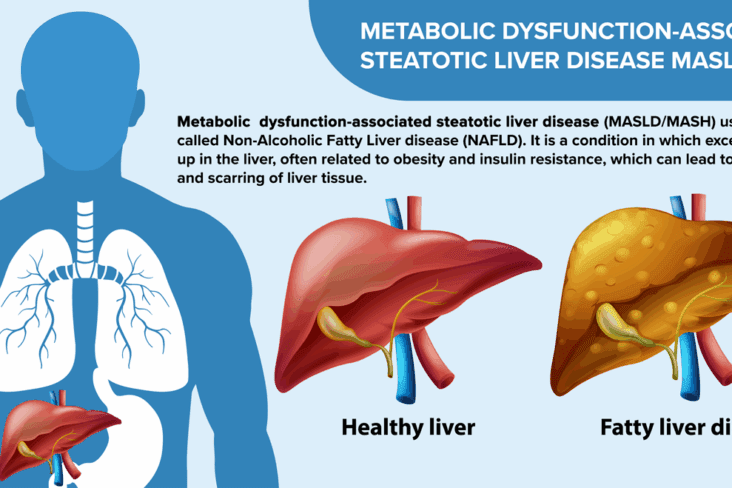
MASLD/MASH -metabolic dysfunction -associated steatotic liver disease: What You Need to Know

MASLD is a silent but important marker of metabolic health and another consequence of raised Visceral Adipose Tissue (VAT). Although often discovered by chance, it carries significant implications for both liver and cardiovascular wellbeing. Through caloric restriction, physical activity, improved nutrition, and early intervention, MASLD can usualy be stabilised or reversed — protecting not just the liver, but the heart as well.

Visceral Fat, Mitochondria, and the Energy Trap: Why We Store Fat Where We Shouldn’t

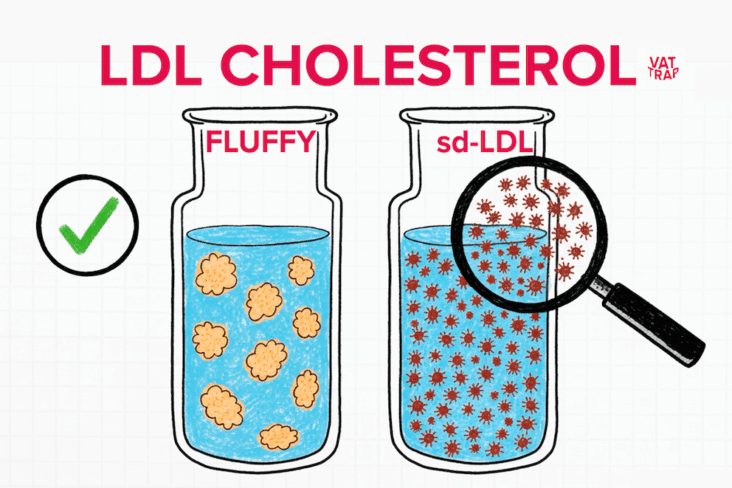
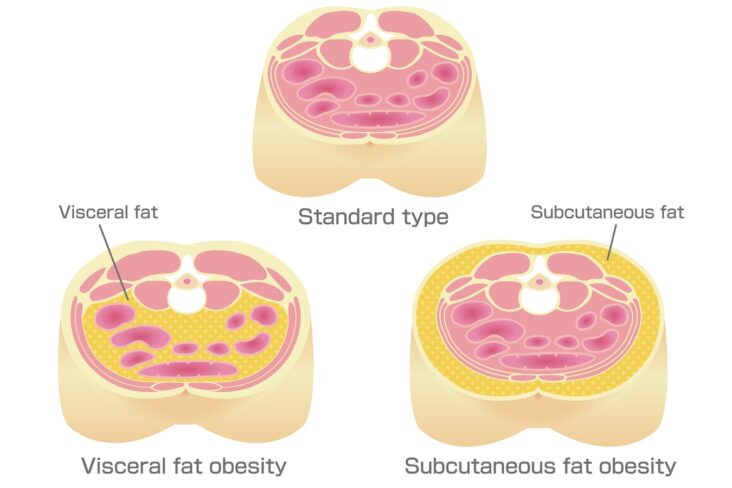
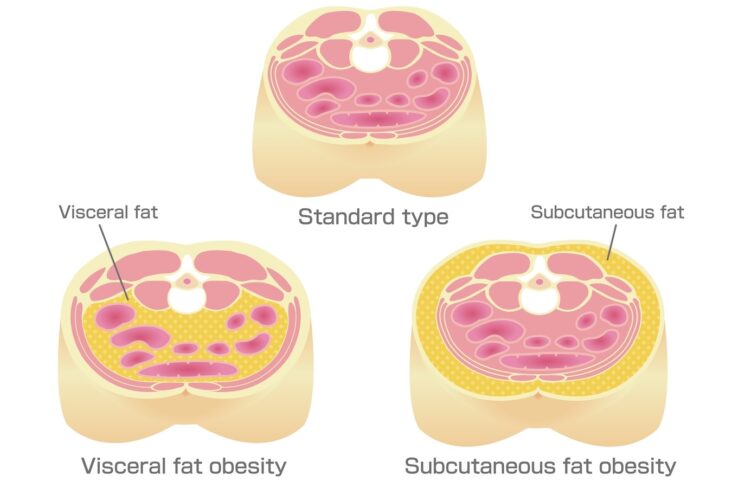
Visceral fat (VAT) is the dangerous, hidden fat stored around your organs that accumulates. when caloric intake exceeds energy demand, since glucose and fats that can’t be used gets stored as adipose tissue. This blog explains how ageing, muscle loss, glucose spikes and genetic factors all drive VAT accumulation — and how reversing the cycle requires restoring mitochondrial health, increasing muscle mass, and in many people, by reducing glycaemic overload.

Carbohydrate Sensitive Phenotype (CSP): Precursor of the Metabolic Syndrome?

Carbohydrate Sensitive Phenotype (CSP) is not a diagnosis of diabetes or obesity. Rather, it’s a biologically driven pattern of visceral fat accumulation and carbohydrate intolerance which is highly prevalent in those with a raised waist-to-height ratio (WHtR > 0.5), triggered by aging, Western-style diet and lifestyle. More importantly, CSP gives individuals a name for their experience—one that invites support instead of judgement, and allows them to engage with food and health choices free from social shame.

Can You Go Low-Carb with Kidney Disease? A Safer Way to Improve Blood Sugar Without Harming Your Kidneys

For patients with CKD 3b, a high-protein diet may accelerate renal decline and should be avoided. However, metabolic improvement via a moderate low-carbohydrate diet with controlled protein intake (~0.8 g/kg/day) and unsaturated fats is both feasible and safe when guided appropriately. Creatinine changes should be interpreted carefully in the context of diet, and dietary interventions should be closely monitored.

Interpreting Liver Function Tests in MASLD: Why “Normal” May No Longer Mean Healthy

Traditional upper limits for ALT (often ≤55 U/L in UK labs) were derived decades ago, before the epidemic of obesity and steatosis. Current evidence suggests these ranges are too high — and that values above 30 U/L may already indicate liver injury in people with metabolic risk. The British Society of Gastroenterology (BSG) guidelines emphasise that a result within the “normal range” may not be reassuring if the patient is metabolically high-risk