Providing independent clinical excellence since 2005

The SCVC Blog

Cardiovascular care news and articles from our expert team

LDL Cholesterol Reduction: Absolute Beats Relative? It’s “And,” Not “Or”

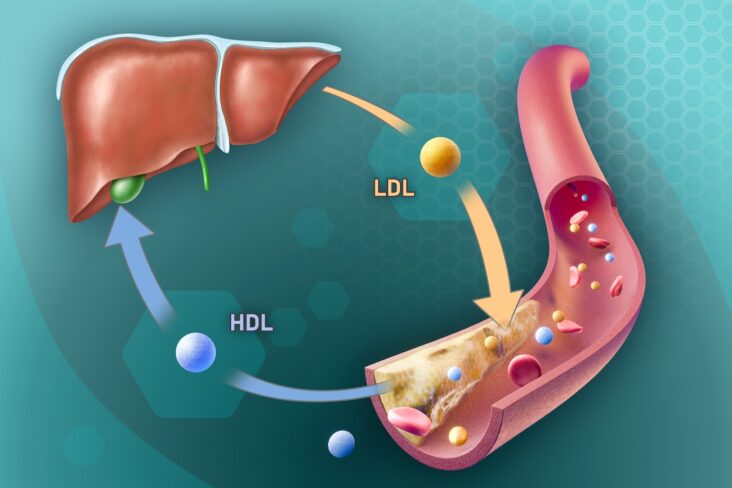
Modern lipid management requires both substantial percentage LDL reduction and achieving low absolute LDL levels. Relative reduction reflects treatment intensity, while absolute LDL determines residual risk. Trials consistently show “lower is better.” Even with good percentage drops, patients may remain undertreated—making combined pharmacological and lifestyle strategies essential to reduce atherogenic exposure and cardiovascular risk.

Your Genes and Fat: Why Some People’s Cholesterol Rises More Than Others

Reducing saturated fat intake is known to lower “bad” cholesterol (LDL-C) and reduce heart disease risk, but responses vary widely between individuals. Research shows that genetics strongly influence how much LDL rises when people eat foods like butter, cheese, or fatty meats compared with unsaturated fats such as olive oil, nuts, and oily fish. Even on the same diet, LDL responses can differ by up to 1 mmol/L, reflecting genetic differences in intestinal cholesterol absorption and how efficiently LDL is cleared from the bloodstream.