Providing independent clinical excellence since 2005

The SCVC Blog

Cardiovascular care news and articles from our expert team

Your Genes and Fat: Why Some People’s Cholesterol Rises More Than Others

Reducing saturated fat intake is known to lower “bad” cholesterol (LDL-C) and reduce heart disease risk, but responses vary widely between individuals. Research shows that genetics strongly influence how much LDL rises when people eat foods like butter, cheese, or fatty meats compared with unsaturated fats such as olive oil, nuts, and oily fish. Even on the same diet, LDL responses can differ by up to 1 mmol/L, reflecting genetic differences in intestinal cholesterol absorption and how efficiently LDL is cleared from the bloodstream.
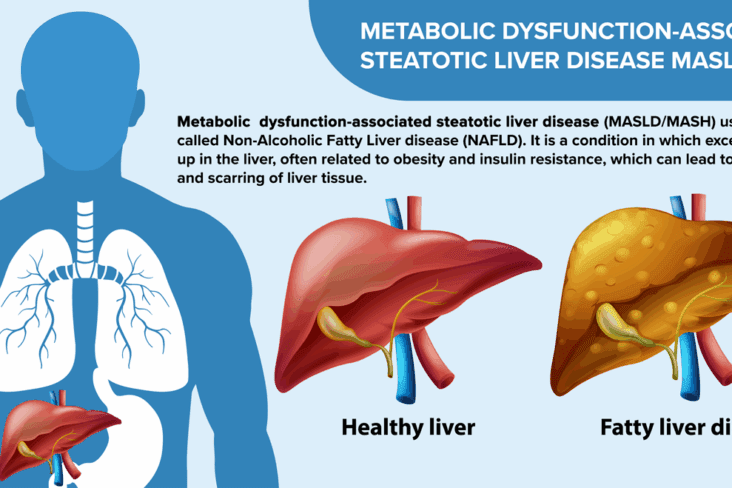
MASLD/MASH -metabolic dysfunction -associated steatotic liver disease: What You Need to Know

MASLD is a silent but important marker of metabolic health and another consequence of raised Visceral Adipose Tissue (VAT). Although often discovered by chance, it carries significant implications for both liver and cardiovascular wellbeing. Through caloric restriction, physical activity, improved nutrition, and early intervention, MASLD can usualy be stabilised or reversed — protecting not just the liver, but the heart as well.

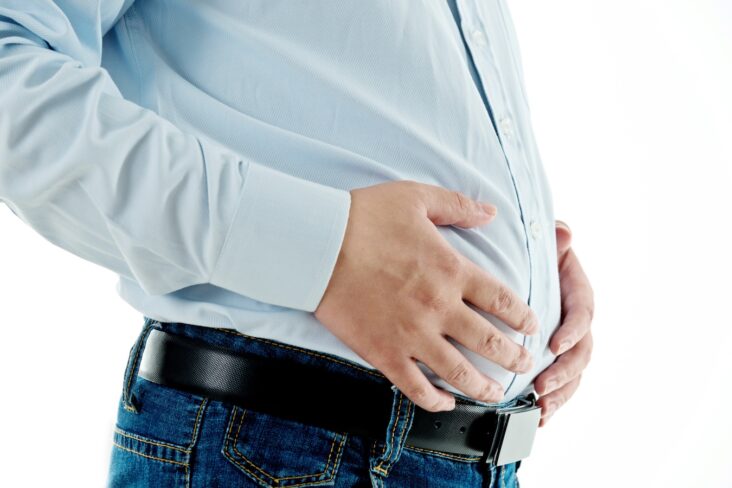
The Expanding Waistline in Men: Spare Tyre, Killer Visceral Fat, or Just Flabby Abdominal muscles?

Most men over 30 will recognise the slow but steady expansion of the waistline. Whether you call it a spare tyre, a dad bod, or just a bit of extra padding, not all belly fat is created equal — and not all of it is harmless.Some types of abdominal fat are mostly cosmetic. Others are dangerous, inflammatory, and metabolically active — the kind of fat that silently drives heart attacks, strokes, dementia, and even advanced cancers.Let’s break down the three main culprits behind the male belly — and what you can do about them.