Providing independent clinical excellence since 2005

The SCVC Blog

Cardiovascular care news and articles from our expert team

LDL Cholesterol Reduction: Absolute Beats Relative? It’s “And,” Not “Or”

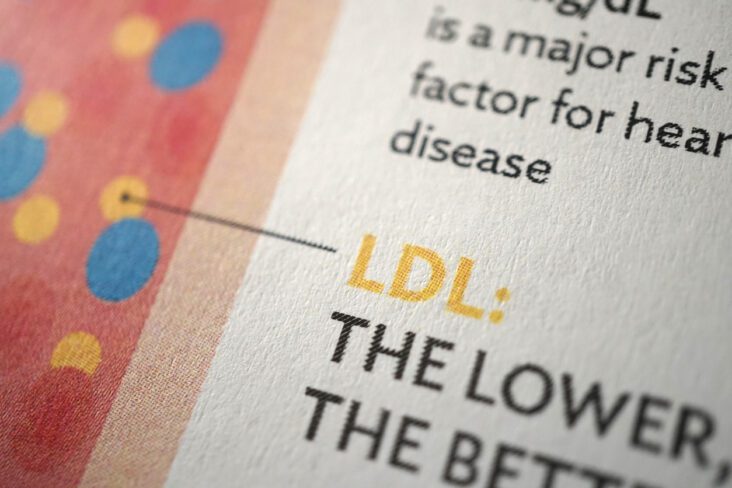
Modern lipid management requires both substantial percentage LDL reduction and achieving low absolute LDL levels. Relative reduction reflects treatment intensity, while absolute LDL determines residual risk. Trials consistently show “lower is better.” Even with good percentage drops, patients may remain undertreated—making combined pharmacological and lifestyle strategies essential to reduce atherogenic exposure and cardiovascular risk.
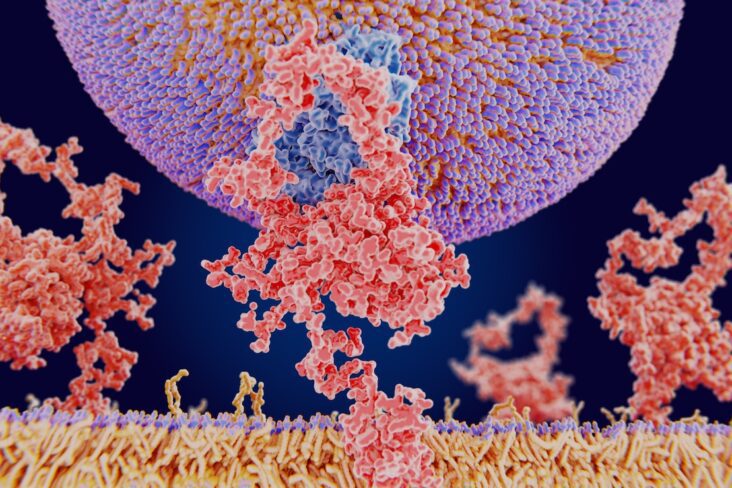

Cholesterol, LDL, and what we learnt from PCSK9 mutations in familial hypercholesterolaemia

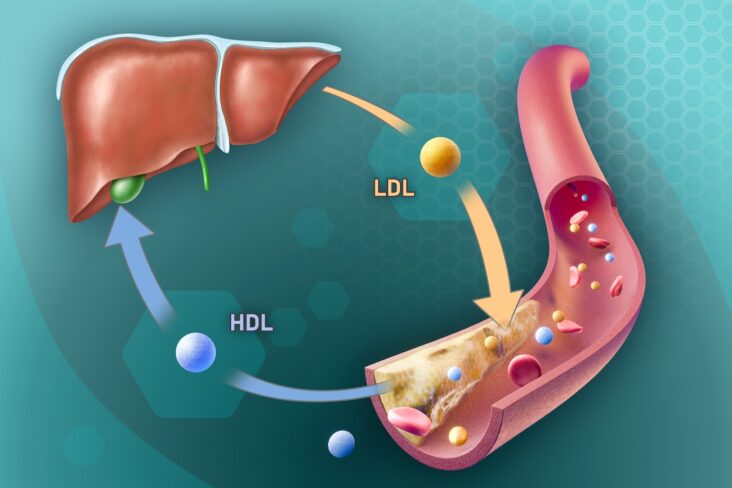
PCSK9 binds to LDL receptors and directs them to be destroyed within the cell, rather than allowing them to recycle to the surface. When too much PCSK9 is present, fewer LDL receptors remain available to clear LDL from the blood. The result is simple: LDL levels rise. When that happens, the liver compensates by making even more cholesterol internally. This is why around 90% of the cholesterol in your blood is made by your liver, not absorbed from your diet.

What are the latest guidelines target for LDL?

For patients who have been diagnosed with an acute coronary syndrome, requiring bypass surgery or stent, or have CT Angiography and or raised FAI, the latest European and UK guidelines reflect the finding that there is no lower limit for LDL yet discovered, basically meaning the lower the better. These recommendations come after new trials with lower targets showed better outcomes. As a result, millions of people around the world need to be looking more carefully at whether they are taking sufficient medication to lower their LDL to these new targets, for the very best outcomes to be achieved.