Providing independent clinical excellence since 2005

The SCVC Blog

Cardiovascular care news and articles from our expert team

Why Cardiovascular Prevention Matters Before 30

Emerging evidence shows that lifetime exposure to LDL cholesterol and high glucose variability are some of the strongest predictors of cardiovascular risk. Just as lung cancer risk is tied to pack-years of smoking, heart disease risk correlates with cumulative LDL levels and glucose metrics such as HbA1c over time.This is why some people in their 20s with risk factors (like diabetes or a family history of heart disease) are starting statin therapy preventatively. However, many are understandably hesitant to start medication so early. Lifestyle changes remain the cornerstone of early prevention.

How does stress affect your heart?

Stress is an unavoidable part of modern life. We encounter it at work, at home, in traffic, and even while reading the news. Although we often discuss stress casually, its impact on the human body is profound—particularly on the cardiovascular system. In this article, we will explore how stress affects the heart and blood vessels, drawing on clinical insights, expanding scientific knowledge, and practical stress-management strategies. By the end, you will see why stress is a critical factor in any heart health strategy, along with steps you can take to mitigate its harmful effects.

So what does determine your LDL (‘bad’) Cholesterol?

Statins are a mind boggling biological 'ruse'. When this medication is taken orally, it causes liver cells to become deficient in essential cholesterol, so they respond by increasing the number of cell surface LDL receptors, thereby enhancing their capacity to extract LDL particles from the blood, significantly lowering circulating LDL levels. Statins remain the most effective and well-known way that doctors can lower LDL levels to prevent or treat coronary heart disease.

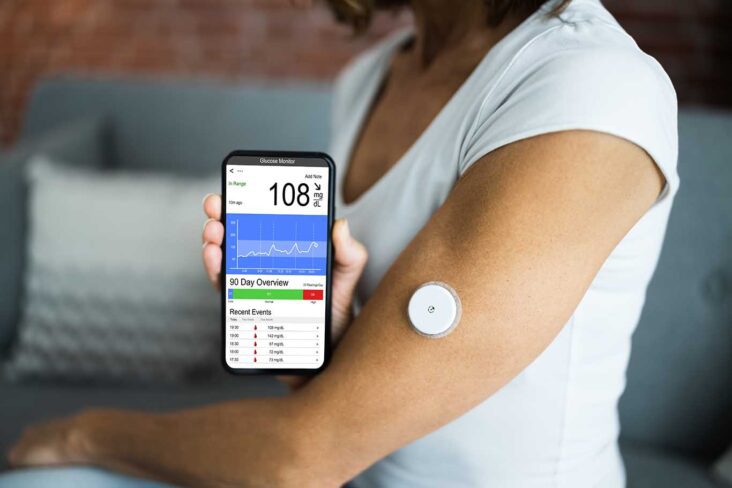
Five Reasons Why a Cardiologist Might Recommend a Continuous Glucose Monitor (CGM) to their Patient

Continuous glucose monitoring offers a valuable tool for anyone concerned with their long-term health, especially those with a family history of diabetes or other cardiovascular risk factors. Whether through self-monitoring or professional analysis such as our metabolic health assessment, CGMs can provide actionable insights that help individuals manage their glucose levels more effectively, ultimately contributing to a healthier, longer life. By understanding and managing your glucotype, optimising your diet and exercise, and taking steps to prevent prediabetes and diabetes, you can potentially avoid serious health conditions in the future.