Providing independent clinical excellence since 2005

The SCVC Blog

Cardiovascular care news and articles from our expert team

PCSK9, visceral fat, and the modern metabolic environment

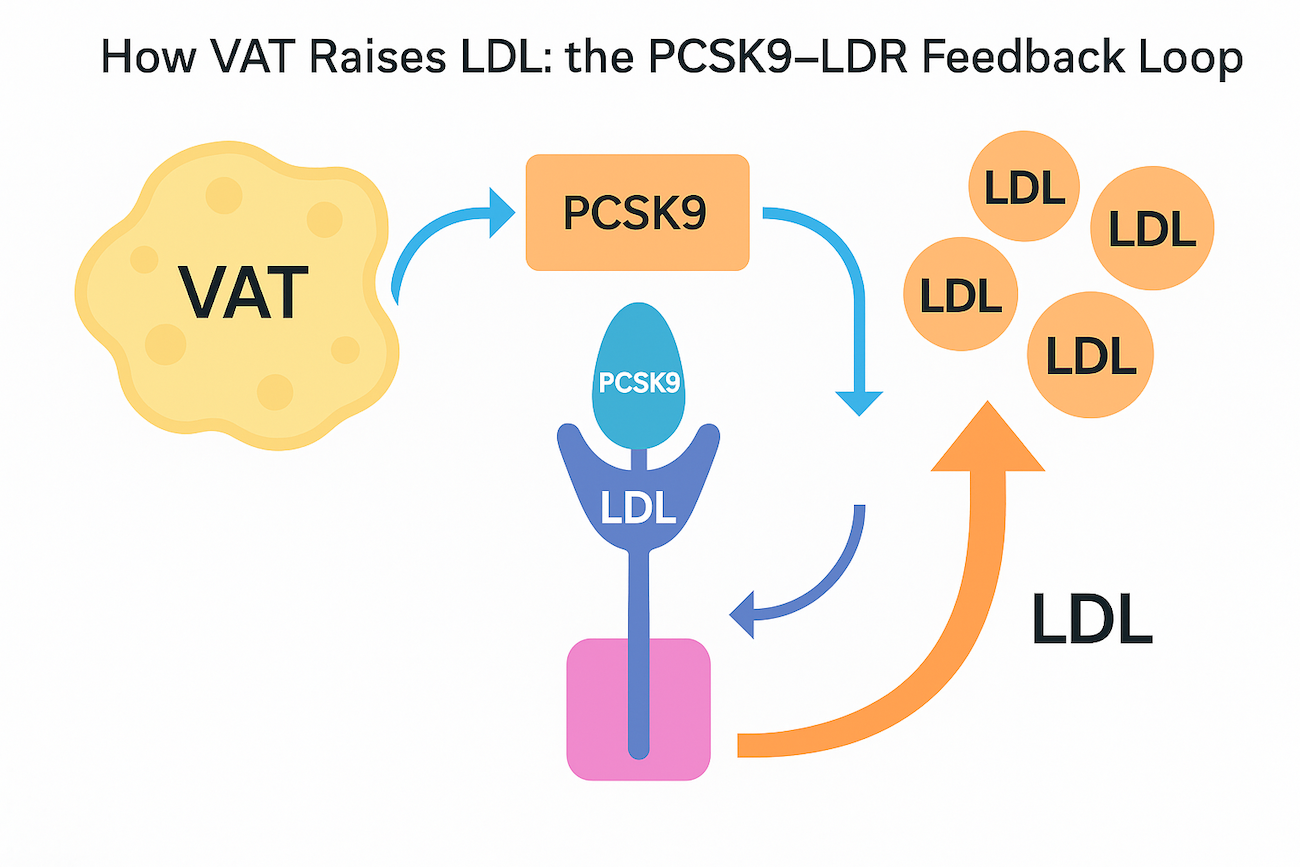
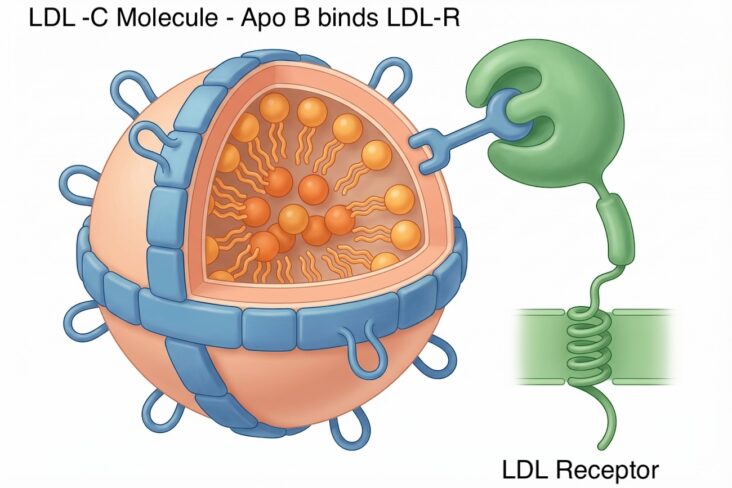
Because cholesterol is a fat-like substance, it cannot dissolve or travel freely in blood, which is mostly water. To move around, it must be packaged into microscopic transport particles called lipoproteins. One of these, LDL (low-density lipoprotein), acts as the main delivery vehicle, carrying cholesterol from the liver to cells that need it for repair or hormone production. In small amounts, LDL cholesterol is therefore completely normal and necessary. The problem only begins when too much LDL remains circulating in the blood for too long.

Cardiometabolic Health Tools

Patients often ask about home monitoring tools — ECG devices, blood pressure monitors, glucose apps. We now also encourage people to track their waistline and visceral fat, using body composition scales alongside more traditional equipment.To support this, I have created a page of recommended home gadgets that can help patients take greater ownership of their health — a vital step towards a more proactive, prevention-focused model of care, guided by their clinical and educational team.

Examples of CT VAT scans and normal ranges for VATI

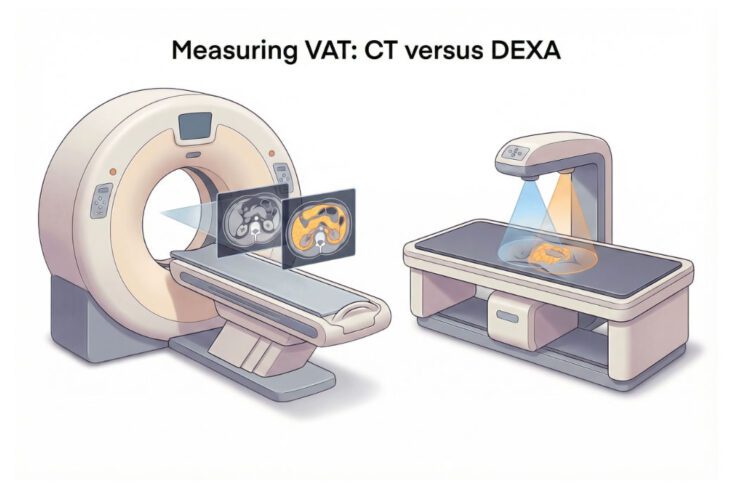
At SCVC we use low dose CT to measure visceral adipose tissue (VAT). With a radiation dose of 1mSv - equivalent to 1/4 of the dose used in a mammogram. The test determines what proportion of an expanded waistline is visceral (metabolically dangerous) versus subcutaneous (metabolically benign) fat. When combined with other anthropometrics such as weight, height, waist we use AI to calculate a metabolically healthy target waist and weight to aim for. A example of a repeat scan after 3 months of GLP-1 mimetic is also shown.