Providing independent clinical excellence since 2005

The SCVC Blog

Cardiovascular care news and articles from our expert team

Visceral Fat, Mitochondria, and the Energy Trap: Why We Store Fat Where We Shouldn’t

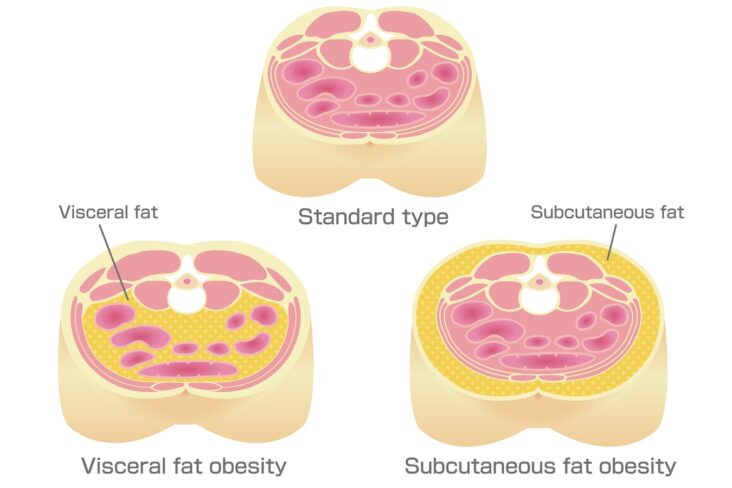
Visceral fat (VAT) is the dangerous, hidden fat stored around your organs that accumulates. when caloric intake exceeds energy demand, since glucose and fats that can’t be used gets stored as adipose tissue. This blog explains how ageing, muscle loss, glucose spikes and genetic factors all drive VAT accumulation — and how reversing the cycle requires restoring mitochondrial health, increasing muscle mass, and in many people, by reducing glycaemic overload.

Mitochondria: The Tiny Engines Managing Your Energy — Until They Are Overloaded

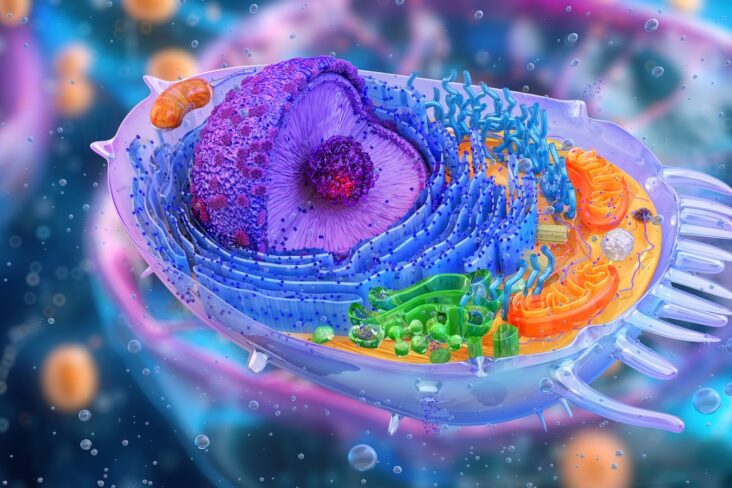
Mitochondria are the power stations inside every cell, converting food into energy. But in modern life, with constant carbohydrate intake and low energy demand, they become overwhelmed. Just like solar panels producing too much electricity for full batteries, mitochondria have nowhere to send surplus fuel. This triggers oxidative stress, inflammation, and early ageing. Insulin is meant to divert excess glucose to safe storage — but when that system fails, metabolic chaos follows. In this article, we explore how your mitochondria manage energy, what causes them to overload, and how lifestyle changes can help restore balance and protect long-term health

Exercise and Digital Tools Should Be the First Line in Reducing Visceral Fat in Cardiac Patients

We use waist-to-height ratio (WHtR) as a screening tool, followed by low-dose CT to measure VAT index (VATI) against gender- and ethnicity-specific thresholds. Where VATI is high, patients enter a six-month digital lifestyle programme using tools like the Dr Shape food app, CGM, and body composition scales. Pharmacological therapy, including GLP-1 receptor agonists, is reserved for non-responders—making this a precise, cost-effective, and highly personalised pathway for VAT reduction.

How to Lose Visceral Adipose Tissue (VAT) and Improve Metabolic Health: A Guide to Sustainable Weight Loss

Cardiology groups, including ours, are increasingly partnering with diabetes and weight management specialists to set up GLP-1 mimetic clinics. These clinics oversee VAT loss and improve glycaemic control for patients with diverse cardiac conditions. The goal is not only to help these patients manage their symptoms but also to provide a holistic approach to cardiovascular and metabolic health, with an emphasis on reducing the burden of visceral fat. Specialist clinics offer patients the chance to access personalised care that targets both fat loss and better glucose regulation, reducing the need for medications and potentially improving overall quality of life. In this blog and associated podcast and YouTube explainer, we set out some of the fundamental principles we care about.