
Providing independent clinical excellence since 2005

The SCVC Blog

Cardiovascular care news and articles from our expert team

Carbohydrate Sensitive Phenotype (CSP): Precursor of the Metabolic Syndrome?

Carbohydrate Sensitive Phenotype (CSP) is not a diagnosis of diabetes or obesity. Rather, it’s a biologically driven pattern of visceral fat accumulation and carbohydrate intolerance which is highly prevalent in those with a raised waist-to-height ratio (WHtR > 0.5), triggered by aging, Western-style diet and lifestyle. More importantly, CSP gives individuals a name for their experience—one that invites support instead of judgement, and allows them to engage with food and health choices free from social shame.
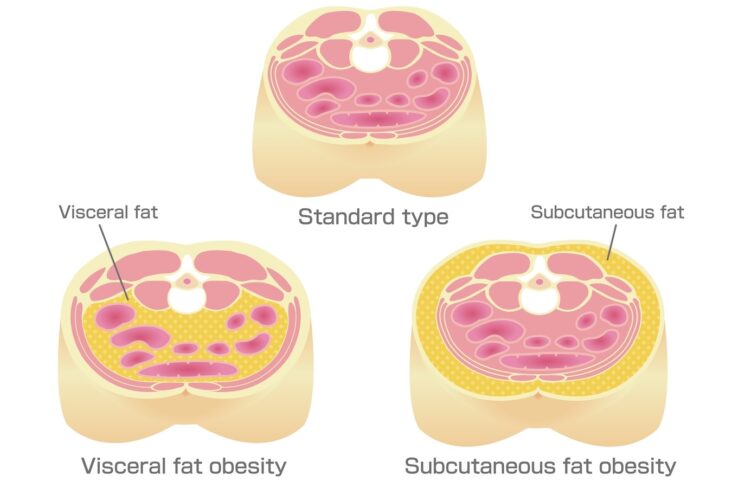

Anthropometrics vs BMI: Why Waist Measures Outperform BMI in Cardiovascular Risk Assessment

VAT is the principal metabolic culprit in cardiovascular risk. BMI—while simple—fails to capture fat distribution, muscle mass, or ageing effects. Waist-based anthropometrics, particularly waist circumference and waist-to-height ratio, more closely reflect VAT and strongly predict cardiovascular outcomes.For cardiologists, this explains why a tape measure around the waist is more valuable than a BMI calculation. Where precise measurement is required—such as in high-risk patients commencing GLP-1 therapy—DEXA and low-dose CT provide direct VAT quantification.In both prevention and clinical practice, tracking waist measurements makes far more sense than relying on BMI.

How does stress affect your heart?

Stress is an unavoidable part of modern life. We encounter it at work, at home, in traffic, and even while reading the news. Although we often discuss stress casually, its impact on the human body is profound—particularly on the cardiovascular system. In this article, we will explore how stress affects the heart and blood vessels, drawing on clinical insights, expanding scientific knowledge, and practical stress-management strategies. By the end, you will see why stress is a critical factor in any heart health strategy, along with steps you can take to mitigate its harmful effects.