An article written by Dr Edward Leatham, Consultant Cardiologist
For many people with high blood pressure, type 2 diabetes, or excess weight around the middle, a low-carbohydrate diet with higher protein intake can be a powerful tool. It improves blood sugar, reduces insulin resistance, lowers blood pressure, and helps with weight loss.
But what if you’ve also been told you have chronic kidney disease (CKD), stage 3b?
At SCVC, we’re often asked:
“Can I still do low-carb safely with reduced kidney function?”
“Will it damage my kidneys if I increase protein?”
“Is this even an option for me?”
The short answer: Yes—with a few important modifications.
We’ve created a new one-page patient guide to help you follow a renal-safe version of the low-carb diet, designed specifically for people with stage 3b CKD (when your eGFR is between 30 and 44).
👇 Download the SCVC Renal-Safe Low-Carb Diet Guide (PDF)
🔍 Why low-carb?
Low-carb eating reduces the amount of sugar (glucose) entering your bloodstream. It can:
- Lower HbA1c and reduce the need for diabetes medication
- Improve insulin sensitivity (especially important for belly fat and prediabetes)
- Help lower triglycerides and raise HDL cholesterol
- Support weight loss, especially around the waist
- Reduce blood pressure, sometimes allowing fewer tablets
All of these are great for kidney health too—when done right.
⚠️ But isn’t protein a problem in kidney disease?
Yes and no.
While very high protein diets can strain the kidneys and accelerate decline in CKD, moderate protein intake—around 0.8 grams per kg of ideal body weight per day—is safe and recommended by international guidelines¹.
That’s the key difference in our renal-safe approach:
- It’s low-carb (to improve blood sugar and weight)
- But not high-protein (to protect kidney function)
- And uses healthy fats (to support heart and metabolic health)
✅ What foods can I eat?
Here’s a taste of what’s inside the guide:
✔ Best Protein Sources:
- Tofu, lentils, chickpeas, small portions of fish or skinless chicken
- Eggs (1 per day), soy milk, quinoa
- Limit red meat and processed meats
✔ Best Carbs:
- Leafy greens, cauliflower, broccoli, courgette
- Berries, apples (in portions)
- Chia, flaxseed, small portions of oats
✔ Best Fats:
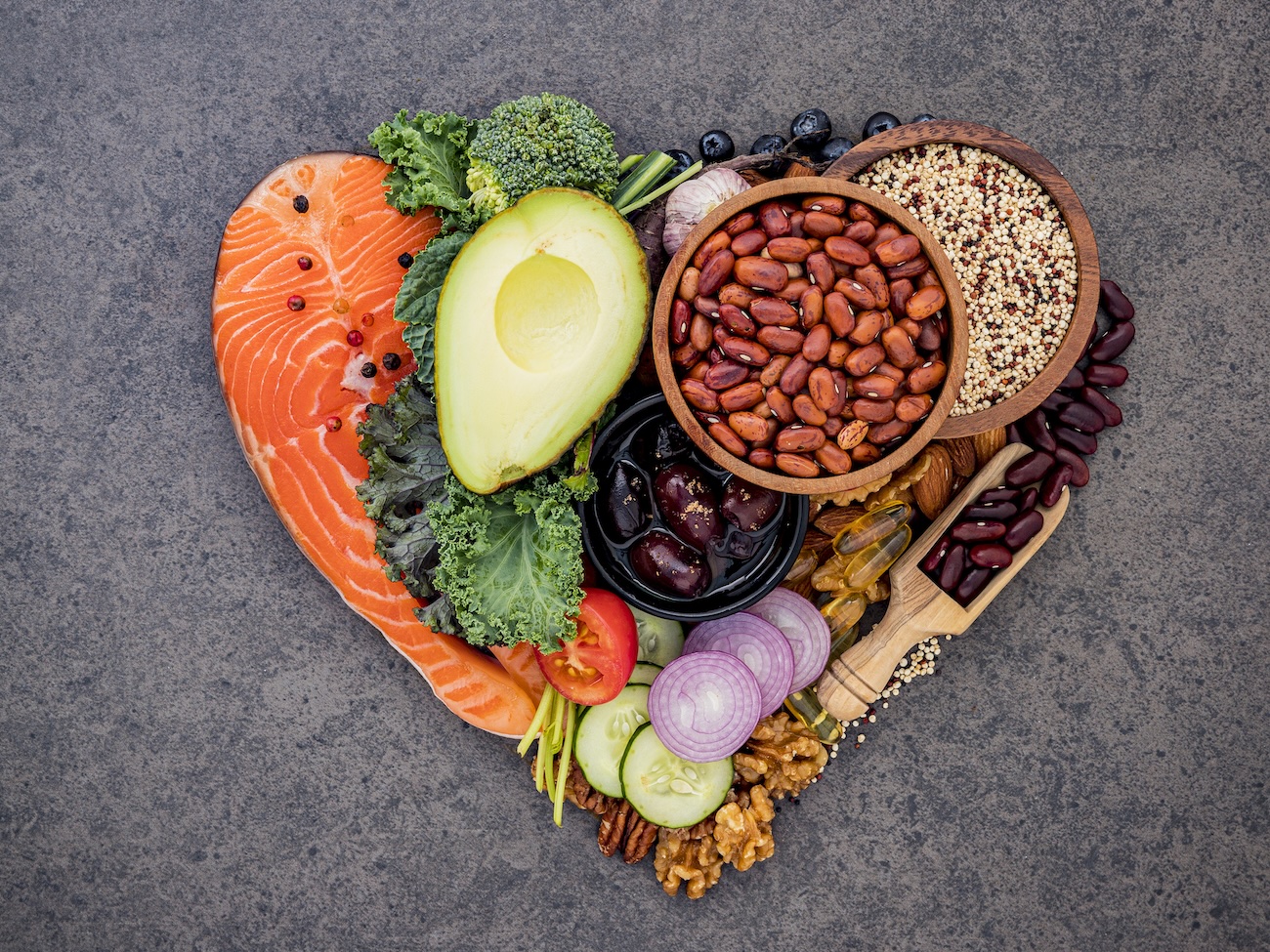
- Olive oil, avocado, nuts, seeds, oily fish (like salmon)
- Avoid excess butter, cream, and coconut oil
The guide also includes a lab monitoring checklist and reminder to work closely with your renal and diabetes team.
🧪 What should I monitor?
If you’re switching to a lower-carb way of eating, especially with CKD, we recommend checking the following every 3–4 months:
- eGFR (on a fasting day without meat to avoid false dips)
- UACR (urine protein)
- Potassium and bicarbonate (to avoid acidosis or high potassium)
- Lipids and uric acid (especially if eating more fat or losing weight)
- Weight, blood pressure, and waist size
These help you and your clinician keep your kidneys and heart on track.
🎯 Final Thoughts
You don’t have to choose between kidney health and metabolic control. With the right dietary tweaks and support, a renal-safe low-carb diet can offer the best of both worlds—helping you improve your blood sugar, weight, and blood pressure without accelerating kidney decline.
🧾 Click here to download the SCVC Renal-Safe Low-Carb Diet Guide (PDF)
If you have stage 3 CKD and are thinking about a diet change, speak with your SCVC renal consultant or dietitian to tailor your plan safely.
🧠 References
- KDIGO 2020 Clinical Practice Guideline for Nutrition in CKD. Kidney Int Suppl. 2020;98(4S):S1–S130.
- Does a High-Protein Diet Accelerate CKD Progression in Stage 3b?
Other related articles
- Anthropometrics vs BMI: Why Waist Measures Outperform BMI in Cardiovascular Risk Assessment
- Why I Eat a Cooked Breakfast to Lower My Visceral Fat
- “Why Am I Out of Breath?” — The Hidden Link Between Belly Fat and Breathlessness
- Why everyone is talking about VAT
- How to Lose Visceral Adipose Tissue (VAT) and Improve Metabolic Health: A Guide to Sustainable Weight Loss
- The Expanding Waistline in Men: Spare Tyre, Killer Visceral Fat, or Just Flabby Abdominal muscles?
- From Genes to Greens: How DNA Shapes Your Nutritional Needs
- The 8-Month Metabolic Reset: A New Approach to Reversing Visceral Fat, Improving Blood Pressure and Blood Glucose