
Statin holiday
A key component of evaluating statin-related symptoms is tracking them systematically. A symptom diary can help you visualise the severity and frequency of side effects over time. A "year-at-a-glance" dot plot is particularly useful.
Providing independent clinical excellence since 2005

Posted on Sunday August 17, 2025 in VAT-TRAP
An article by Dr Edward Leatham, Consultant Cardiologist © 2025 E.Leatham
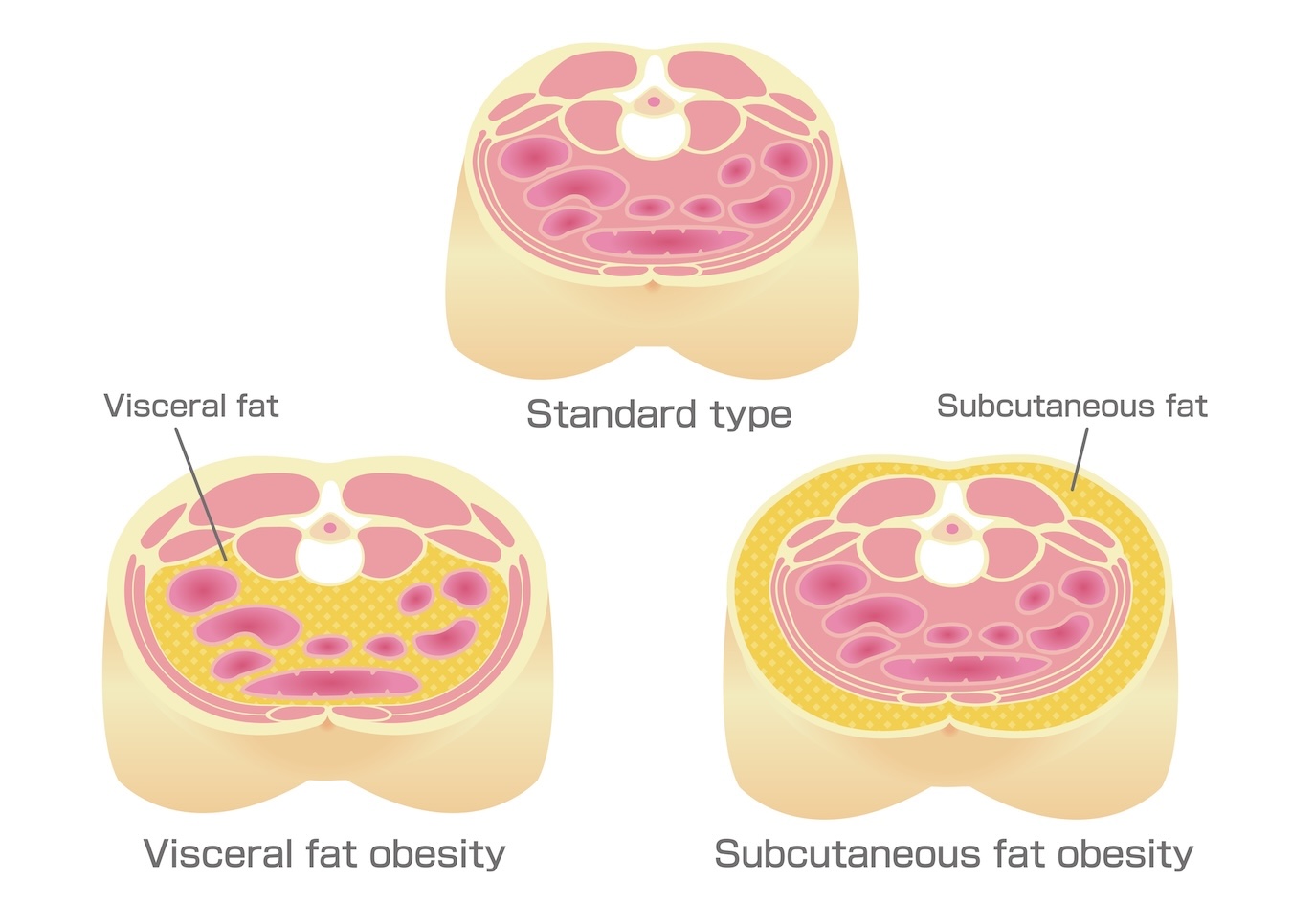
While everyone might think the term ‘VAT’ stands for value added tax, we all need to recognise this new health term, as it is shaping up to be a critical risk factor for cardiovascular disease, cancer and reduced longevity. Visceral adipose tissue (VAT)— is fat stored deep in the abdominal cavity around internal organs—is highly metabolically active and harmful when elevated. A CT-measured visceral fat area ≥ 100 cm² is considered indicative of visceral obesity in multiple ethnicities and is associated with increased cardiometabolic risk even when BMI is normal 1,2 .
VAT accumulation contributes to:
Modest weight loss (5–10 %) leads to preferential VAT reduction and significant improvements in insulin sensitivity and metabolic markers, reversing early type 2 diabetes and reducing inflammatory cytokines 1 .
VAT reduction alleviates adipocytokine-mediated systemic inflammation and vascular strain—benefitting endothelial function and blood pressure control 1,2
Central adiposity confers independent risk for cardiovascular events and mortality; VAT reduction correspondingly mitigates these risks of increased mortality risk 3,5,6 .
VAT is a stronger metabolic risk predictor than BMI or subcutaneous fat; even individuals with normal weight but elevated VAT have significantly increased risk of type 2 diabetes and cardiovascular disease 2,3,8.
Elevated visceral fat has been correlated with reduced brain volume and increased dementia risk; VAT reduction may therefore support long-term cognitive resilience 3 .
A meta-analysis of studies including overweight adults (many of whom were Caucasian) demonstrated that moderate-to-high intensity aerobic exercise, even without dietary changes, significantly reduced VAT by >30 cm² in women and >40 cm² in men over ~12 weeks, as assessed by CT imaging 14. This underscores the effectiveness of exercise in reducing harmful fat stores across genders in Caucasian cohorts.
In a predominantly Caucasian cohort (94 % Caucasian) using DXA and anthropometry, waist-to-height ratio was the strongest predictor of VAT mass. While not an intervention study per se, it establishes reliable means to assess and monitor VAT in clinical practice across Caucasian populations [^13].
Use our free calculator to estimate your personalised waist target, LBM estimate and protein target. Free, no app needed.
When VAT exceeds 100 cm² on CT, patients face elevated risks of metabolic syndrome, cardiovascular disease, NAFLD, inflammation, and cancer. Yet targeted strategies yield tangible benefits:
Implementing structured aerobic exercise programmes, in combination with nutritional and lifestyle interventions, can achieve substantial VAT reduction and improved long-term health outcomes across diverse populations.
The Naked Heart is an educational project owned and operated by Dr Edward Leatham. It comprises a series of blog articles, videos and reels distributed on Tiktok, Youtube and Instagram aimed to help educate both patients and healthcare professionals about cardiology related issues.
If you would like to receive email notification each week from the Naked Heart, follow me on social media or please feel free to subscribe to the Naked Heart email notifications here
A key component of evaluating statin-related symptoms is tracking them systematically. A symptom diary can help you visualise the severity and frequency of side effects over time. A "year-at-a-glance" dot plot is particularly useful.

A 2026 BMJ systematic review confirms that weight regain is the rule after stopping pharmacological weight-management therapy. Across drug classes, most lost weight is regained within 24 months, with parallel loss of metabolic benefit. This reflects biological defence of adiposity, not patient failure.
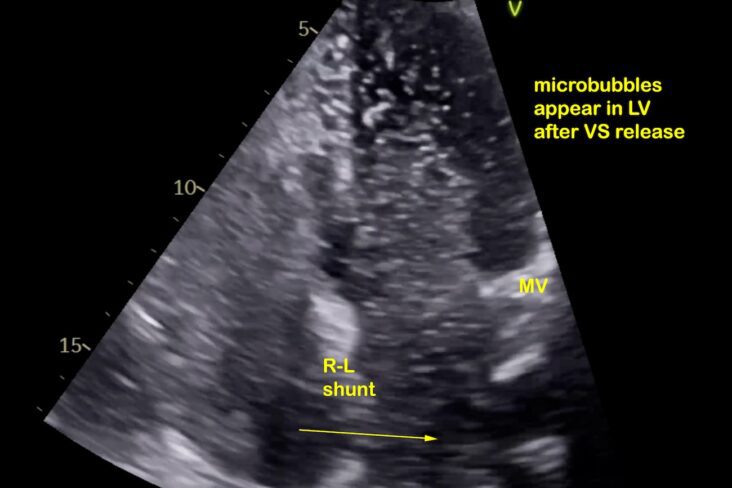
Before birth, the foramen ovale is a vital foetal opening between the right and left atria, allowing oxygen-rich placental blood to bypass the inactive lungs. After the first breath, pressure in the left atrium increases, closing the flap naturally. In around 25% of adults, the flap does not seal fully — this persistent communication is called a Patent Foramen Ovale (PFO) which is an important cause of cryptogenic stroke. All standard tests including an echocardiogram can be normal- it can be only be diagnosed using a bubble contrast study and once diagnosed, treatment with clam shell closure is high effective.