Providing independent clinical excellence since 2005

The SCVC Blog

Cardiovascular care news and articles from our expert team

Can You Go Low-Carb with Kidney Disease? A Safer Way to Improve Blood Sugar Without Harming Your Kidneys

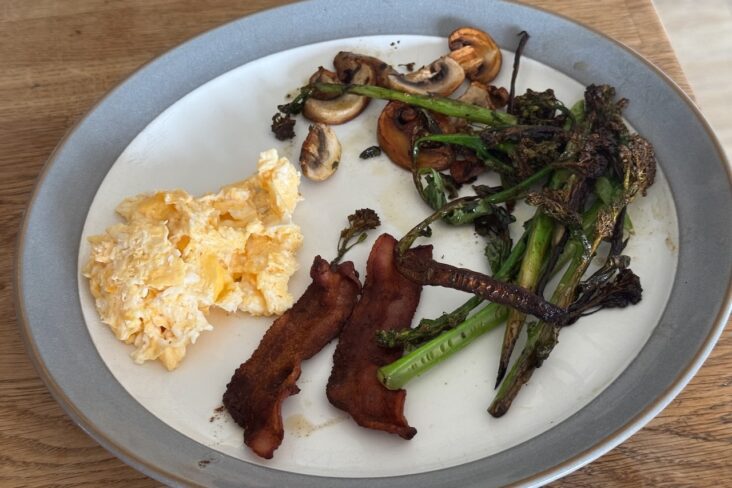
For patients with CKD 3b, a high-protein diet may accelerate renal decline and should be avoided. However, metabolic improvement via a moderate low-carbohydrate diet with controlled protein intake (~0.8 g/kg/day) and unsaturated fats is both feasible and safe when guided appropriately. Creatinine changes should be interpreted carefully in the context of diet, and dietary interventions should be closely monitored.

“Why Am I Out of Breath?” — The Hidden Link Between Belly Fat and Breathlessness

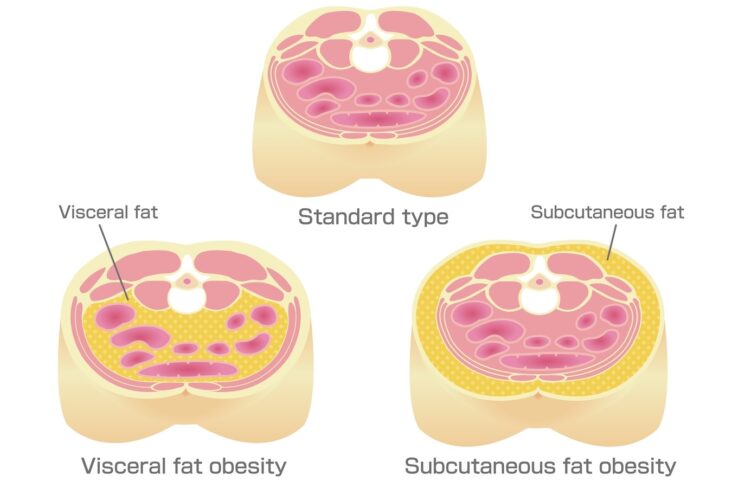
If you have ever found yourself feeling breathless climbing stairs or walking uphill — even though your lung and heart tests are “normal” — you are not alone.Many people attribute it to age or fitness. But recent research has uncovered a powerful hidden cause of breathlessness: visceral fat — the fat stored deep inside your abdomen, around your organs. In this blog, we will explore what visceral fat is, how it affects your breathing, and — most importantly — what you can do about it.

Exercise and Digital Tools Should Be the First Line in Reducing Visceral Fat in Cardiac Patients

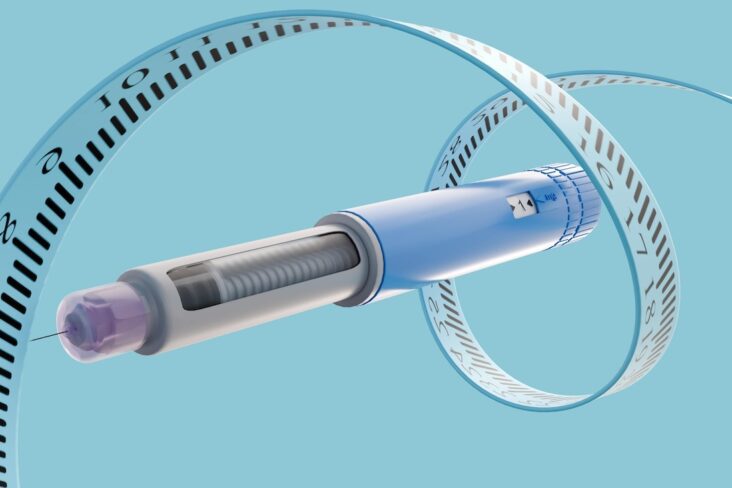
We use waist-to-height ratio (WHtR) as a screening tool, followed by low-dose CT to measure VAT index (VATI) against gender- and ethnicity-specific thresholds. Where VATI is high, patients enter a six-month digital lifestyle programme using tools like the Dr Shape food app, CGM, and body composition scales. Pharmacological therapy, including GLP-1 receptor agonists, is reserved for non-responders—making this a precise, cost-effective, and highly personalised pathway for VAT reduction.

Anthropometrics vs BMI: Why Waist Measures Outperform BMI in Cardiovascular Risk Assessment

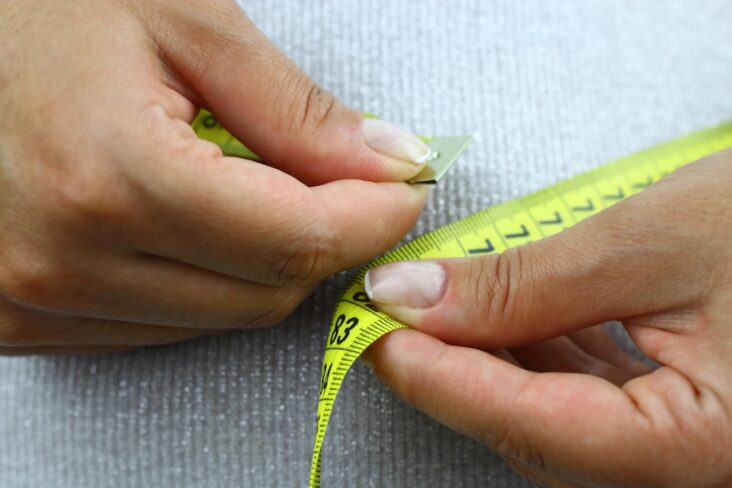
VAT is the principal metabolic culprit in cardiovascular risk. BMI—while simple—fails to capture fat distribution, muscle mass, or ageing effects. Waist-based anthropometrics, particularly waist circumference and waist-to-height ratio, more closely reflect VAT and strongly predict cardiovascular outcomes.For cardiologists, this explains why a tape measure around the waist is more valuable than a BMI calculation. Where precise measurement is required—such as in high-risk patients commencing GLP-1 therapy—DEXA and low-dose CT provide direct VAT quantification.In both prevention and clinical practice, tracking waist measurements makes far more sense than relying on BMI.

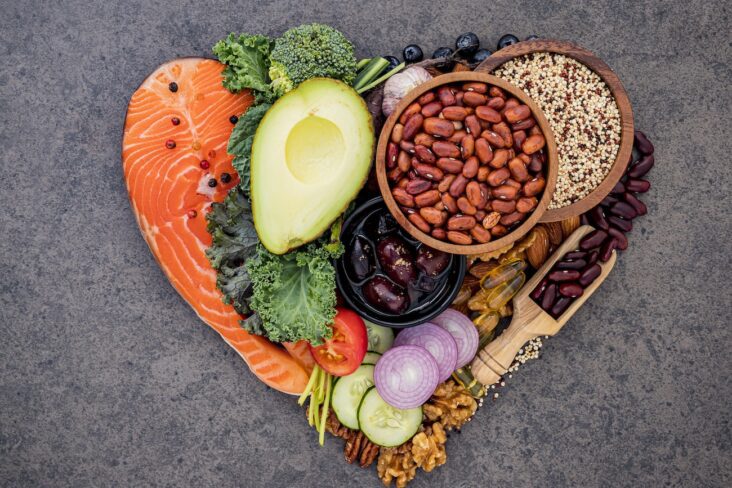
Dietary Fats: From Villain to Vital Nutrient – Rethinking Fat in a Heart-Healthy Diet

Dietary fats have been wrongly maligned for much of modern nutritional history. But as the science evolves, it's clear that fat – far from being harmful – is a vital macronutrient that supports energy metabolism, hormonal health, brain and heart function, and even weight control.Rather than fearing fat, we should focus on:Avoiding refined carbohydrates and ultra-processed foods. Prioritising whole food sources of fat, including nuts, seeds, dairy, eggs, fish, and healthy oils. Understanding individual needs, especially in those with insulin resistance or carbohydrate sensitivity. Viewing nutrition in context, rather than isolating single nutrients as heroes or villains.The time has come to move beyond fat-phobia and embrace a more nuanced, evidence-based approach to eating. In a balanced, whole-food diet, fat is not the problem — it’s part of the solution.