Providing independent clinical excellence since 2005

The SCVC Blog

Cardiovascular care news and articles from our expert team

Can You Go Low-Carb with Kidney Disease? A Safer Way to Improve Blood Sugar Without Harming Your Kidneys

For patients with CKD 3b, a high-protein diet may accelerate renal decline and should be avoided. However, metabolic improvement via a moderate low-carbohydrate diet with controlled protein intake (~0.8 g/kg/day) and unsaturated fats is both feasible and safe when guided appropriately. Creatinine changes should be interpreted carefully in the context of diet, and dietary interventions should be closely monitored.

Patent Foramen Ovale (PFO): A Hidden Link in Stroke, TIA, Migraine and More — When to Close the Hole in the Heart

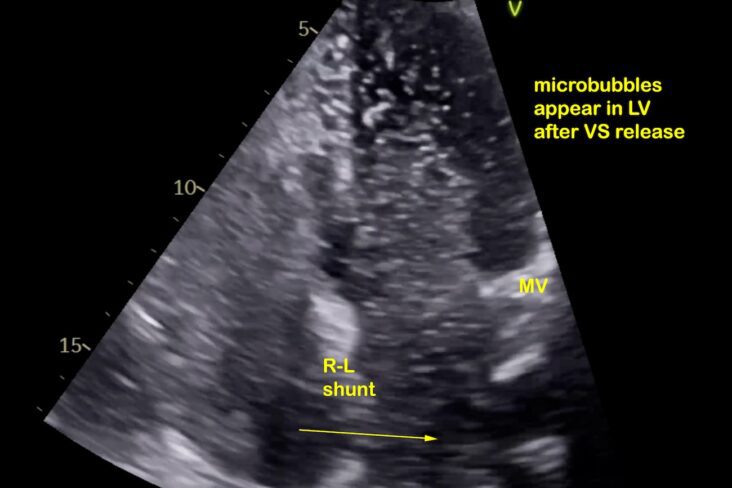
Before birth, the foramen ovale is a vital foetal opening between the right and left atria, allowing oxygen-rich placental blood to bypass the inactive lungs. After the first breath, pressure in the left atrium increases, closing the flap naturally. In around 25% of adults, the flap does not seal fully — this persistent communication is called a Patent Foramen Ovale (PFO) which is an important cause of cryptogenic stroke. All standard tests including an echocardiogram can be normal- it can be only be diagnosed using a bubble contrast study and once diagnosed, treatment with clam shell closure is high effective.

“Why Am I Out of Breath?” — The Hidden Link Between Belly Fat and Breathlessness

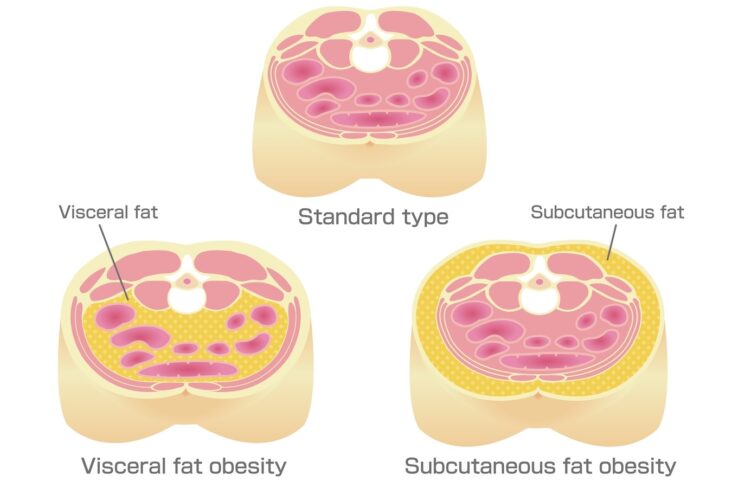
If you have ever found yourself feeling breathless climbing stairs or walking uphill — even though your lung and heart tests are “normal” — you are not alone.Many people attribute it to age or fitness. But recent research has uncovered a powerful hidden cause of breathlessness: visceral fat — the fat stored deep inside your abdomen, around your organs. In this blog, we will explore what visceral fat is, how it affects your breathing, and — most importantly — what you can do about it.

Exercise and Digital Tools Should Be the First Line in Reducing Visceral Fat in Cardiac Patients

We use waist-to-height ratio (WHtR) as a screening tool, followed by low-dose CT to measure VAT index (VATI) against gender- and ethnicity-specific thresholds. Where VATI is high, patients enter a six-month digital lifestyle programme using tools like the Dr Shape food app, CGM, and body composition scales. Pharmacological therapy, including GLP-1 receptor agonists, is reserved for non-responders—making this a precise, cost-effective, and highly personalised pathway for VAT reduction.

Interpreting Liver Function Tests in MASLD: Why “Normal” May No Longer Mean Healthy

Traditional upper limits for ALT (often ≤55 U/L in UK labs) were derived decades ago, before the epidemic of obesity and steatosis. Current evidence suggests these ranges are too high — and that values above 30 U/L may already indicate liver injury in people with metabolic risk. The British Society of Gastroenterology (BSG) guidelines emphasise that a result within the “normal range” may not be reassuring if the patient is metabolically high-risk