An article written by Dr Edward Leatham, Consultant Cardiologist ©Edward Leatham 2025
An AI audio construct is available as a podcast for this story below.
Tags: Thyroid, Visceral Fat, search website using Tags to find related stories.
For most of human history, the human thermogenic system — particularly brown adipose tissue (BAT) — was activated daily through environmental cold exposure. BAT is a mitochondria-rich, calorie-burning organ whose activation increases resting metabolic rate, improves insulin sensitivity, and reduces visceral adipose tissue (VAT).
Modern, temperature-controlled lifestyles suppress BAT activation, reduce D2-mediated conversion of T4→T3 within BAT, and promote VAT accumulation and metabolic inflexibility.
Multiple human studies show that mild daily cold exposure (e.g., 17°C for 2 hours/day, 6 weeks) produces:
- ↑ BAT activity
- ↑ resting metabolic rate
- ↑ insulin sensitivity
- ↑ glucose oxidation
- ↓ VAT accumulation
These benefits are reversible when ambient temperatures rise.
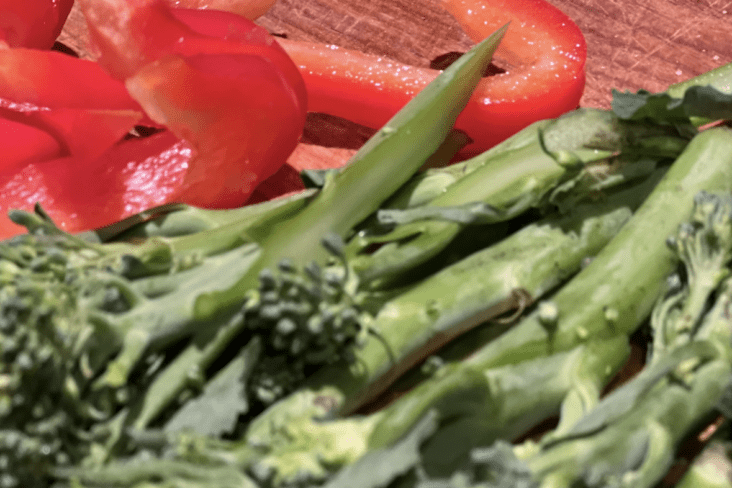
BAT activation can also be stimulated by certain foods, notably capsaicin and capsinoids (non-pungent compounds found naturally in sweet pepper varieties), offering a potential dietary adjunct to cold-based thermogenic strategies.
This short unreviewed paper consolidates the mechanistic, clinical, and translational evidence supporting cold exposure — and selected dietary compounds — as tools for VAT reduction and metabolic health.
1. Introduction: Brown Fat and Metabolic Health
Brown adipose tissue (BAT) is present in adult humans and plays a critical role in:
- Non-shivering thermogenesis
- Glucose disposal
- Fatty-acid oxidation
- Insulin sensitivity
- Maintenance of metabolic flexibility
By contrast, visceral adipose tissue (VAT):
- Stores calories
- Releases inflammatory cytokines
- Drives insulin resistance
- Increases cardiovascular risk
Stimulating BAT counteracts the metabolic burden imposed by VAT.
2. Mechanism: How Cold Activates BAT
Cold exposure initiates a tightly coordinated physiological cascade:
- Sympathetic activation
→ noradrenaline release - D2 enzyme activation
→ increased local conversion of T4 → T3 - Rise in intracellular T3 in BAT
→ mitochondrial uncoupling (UCP1-mediated) - Heat generation
→ increased resting metabolic rate
This mechanism increases glucose uptake, improves insulin sensitivity, and stimulates fat oxidation — all of which oppose VAT accumulation.
3. Modern Thermal Environment: A Metabolic Mismatch
Contemporary indoor environments (21–23°C year-round) suppress cold-induced thermogenesis by:
- Inhibiting D2 activity
- Reducing intracellular T3 activation in BAT
- Maintaining minimal sympathetic stimulation
- Lowering basal metabolic rate
- Supporting VAT deposition
Humans are no longer routinely exposed to the cold stimulus required to recruit and maintain BAT activity.
4. Human Evidence Supporting Cold Exposure
4.1 Cold-Induced BAT Recruitment
Yoneshiro et al., J Clin Invest 2013 (1)
Daily exposure to 17°C for 2 hours/day for 6 weeks resulted in:
- ↑ BAT volume and metabolic activity (PET-CT)
- ↑ thermogenic capacity
- ↑ resting energy expenditure
- Greater weight reduction in BAT-positive individuals
4.2 Improved Insulin Sensitivity
Lee et al., Diabetes 2014 (2,3)
Cold acclimation:
- ↑ whole-body insulin sensitivity
- ↑ glucose disposal in BAT and muscle
- ↓ fasting insulin
- ↓ post-prandial glucose
4.3 Enhanced Non-Shivering Thermogenesis
van der Lans et al., J Clin Invest 2013 (4) Just 10 days of mild cold exposure increased:
- BAT activity
- Non-shivering thermogenesis
- Resting metabolic rate
4.4 Cold Exposure for Type 2 Diabetes Prevention
Schrauwen & van Marken Lichtenbelt, Diabetologia 2016 (5)
This review establishes that chronic mild cold exposure improves glycaemic control and may be a physiological adjunct therapy for preventing and managing type 2 diabetes.(6)
5. Dietary BAT Activators (Capsaicin and Capsinoids)
Beyond cold exposure, certain dietary compounds can stimulate BAT activation.
The most extensively studied are capsaicin (from chilli peppers) and capsinoids, non-pungent analogues found in certain sweet pepper varieties.
Mechanism:
- Capsaicin and capsinoids activate TRPV1 receptors
- This increases sympathetic outflow to BAT
- D2 activity rises
- Intracellular T3 production increases
- BAT thermogenesis increases
- Resting metabolic rate increases
Key Human Study:
Yoneshiro et al., AJCN 2012 (capsinoid trial) (7)
- Capsinoid ingestion increased BAT metabolic activity
- PET-CT confirmed increased ^18F-FDG uptake
- Energy expenditure increased
- Fat oxidation increased
- Effects were seen even without cold exposure
This demonstrates that capsaicin and capsinoids can mimic mild cold exposure, making them a valuable dietary adjunct to improve metabolic rate and reduce VAT accumulation.
6. Why Cold Exposure Reduces VAT
6.1 Increased Caloric Expenditure
Non-shivering thermogenesis increases baseline energy use.
6.2 Improved Insulin Sensitivity
Reducing hyperinsulinaemia reduces VAT deposition.
6.3 Enhanced Glucose Uptake
BAT acts as a glucose sink.
6.4 Increased Fat Oxidation
BAT oxidises fatty acids rapidly during thermogenesis.
6.5 Restoration of D2–T3 Signalling
Obesity reduces D2 activity → low intracellular T3
Cold exposure increases D2 → restores T3 signalling
7. Practical Clinical Recommendations
7.1 Lower Indoor Temperatures
- Aim for 18–19°C during the day
- 16–18°C at night
7.2 Light Cold Exposure
- Walk outside with one fewer layer
- Avoid overheating indoors
- Gradual acclimatisation recommended
7.3 Optional Cold-Enhanced Strategies
- Cool showers
- Cooling vests
- Intermittent cold periods
7.4 Complementary Lifestyle Measures
Cold exposure synergises with:
- Resistance training
- Protein-intensive diets
- Glycaemic control (CGM-guided)
- VAT monitoring (waist–height ratio)
8. Public Health Perspective
Cold exposure is:
- Safe
- Free
- Scalable
- Environmentally beneficial (lower heating use)
- Effective in improving metabolic health
It represents an underutilised metabolic tool with potential population-level benefits for reducing VAT, obesity, insulin resistance, and diabetes.
9. Conclusion
BAT is a powerful metabolic organ capable of improving insulin sensitivity, increasing metabolic rate, and reducing VAT. Modern living suppresses BAT activation, but mild daily cold exposure and certain dietary compounds (capsaicin, capsinoids) can safely restore this ancient metabolic pathway.
Turning the thermostat down is a simple, evidence-based, physiologically grounded intervention to improve metabolic health, reduce VAT, and support cardiometabolic prevention.
References
- Yoneshiro T, Aita S, Matsushita M, Kayahara T, Kameya T, Kawai Y, et al. Recruited brown adipose tissue as an antiobesity agent in humans. J Clin Invest. 2013 Aug;123(8):3404–8.
- Lee P, Smith S, Linderman J, Courville AB, Brychta RJ, Dieckmann W, et al. Temperature-acclimated brown adipose tissue modulates insulin sensitivity in humans. Diabetes. 2014 Nov;63(11):3686–98.
- Wu H, Ballantyne CM. Metabolic Inflammation and Insulin Resistance in Obesity. Circ Res. 2020 May 22;126(11):1549–64.
- van der Lans AAJJ, Hoeks J, Brans B, Vijgen GHEJ, Visser MGW, Vosselman MJ, et al. Cold acclimation recruits human brown fat and increases nonshivering thermogenesis. J Clin Invest. 2013 Aug;123(8):3395–403.
- Schrauwen P, van Marken Lichtenbelt WD. Combatting type 2 diabetes by turning up the heat. Diabetologia. 2016 Nov;59(11):2269–79.
- Schrauwen P, van Marken Lichtenbelt WD. Combatting type 2 diabetes by turning up the heat. Diabetologia [Internet]. 2016 [cited 2025 Dec 4];59(11):2269–79. Available from: https://pmc.ncbi.nlm.nih.gov/articles/PMC5506100/
7. Yoneshiro T, Aita S, Matsushita M, Kayahara T, Kameya T, Kawai Y, et al. Recruited brown adipose tissue as an antiobesity agent in humans. J Clin Invest. 2013 Aug;123(8):3404–8.
Other related articles
Peter Attia discussion with Antonio Bianco The Drive 373 – Thyroid function & hypothyroidism: how new approaches are transforming care on Youtube
Other related articles
- “ChatGPT Says My Thyroid Might Be Underactive… What Next?”
- From Genes to Greens: How DNA Shapes Your Nutritional Needs
- Body fat distribution on computed tomography imaging and prostate cancer risk and mortality in the AGES-Reykjavik study 2019