Providing independent clinical excellence since 2005

The SCVC Blog

Cardiovascular care news and articles from our expert team

Visceral Fat, Mitochondria, and the Energy Trap: Why We Store Fat Where We Shouldn’t

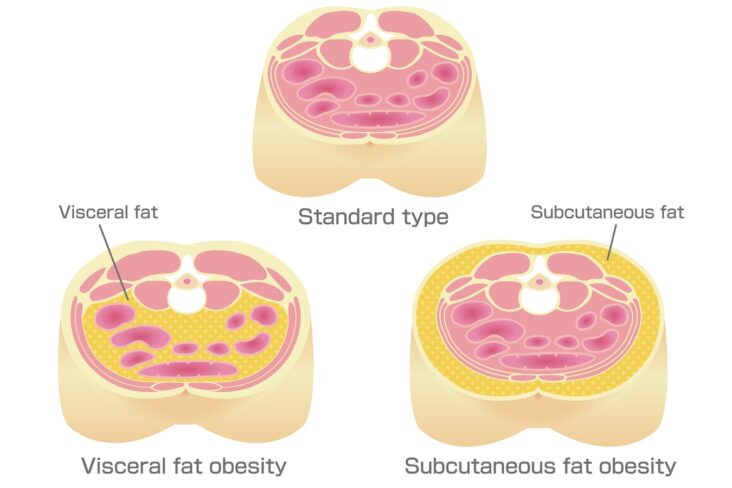
Visceral fat (VAT) is the dangerous, hidden fat stored around your organs that accumulates. when caloric intake exceeds energy demand, since glucose and fats that can’t be used gets stored as adipose tissue. This blog explains how ageing, muscle loss, glucose spikes and genetic factors all drive VAT accumulation — and how reversing the cycle requires restoring mitochondrial health, increasing muscle mass, and in many people, by reducing glycaemic overload.

Carbohydrate Sensitive Phenotype (CSP): Precursor of the Metabolic Syndrome?

Carbohydrate Sensitive Phenotype (CSP) is not a diagnosis of diabetes or obesity. Rather, it’s a biologically driven pattern of visceral fat accumulation and carbohydrate intolerance which is highly prevalent in those with a raised waist-to-height ratio (WHtR > 0.5), triggered by aging, Western-style diet and lifestyle. More importantly, CSP gives individuals a name for their experience—one that invites support instead of judgement, and allows them to engage with food and health choices free from social shame.

“Why Am I Out of Breath?” — The Hidden Link Between Belly Fat and Breathlessness

If you have ever found yourself feeling breathless climbing stairs or walking uphill — even though your lung and heart tests are “normal” — you are not alone.Many people attribute it to age or fitness. But recent research has uncovered a powerful hidden cause of breathlessness: visceral fat — the fat stored deep inside your abdomen, around your organs. In this blog, we will explore what visceral fat is, how it affects your breathing, and — most importantly — what you can do about it.

Anthropometrics vs BMI: Why Waist Measures Outperform BMI in Cardiovascular Risk Assessment

VAT is the principal metabolic culprit in cardiovascular risk. BMI—while simple—fails to capture fat distribution, muscle mass, or ageing effects. Waist-based anthropometrics, particularly waist circumference and waist-to-height ratio, more closely reflect VAT and strongly predict cardiovascular outcomes.For cardiologists, this explains why a tape measure around the waist is more valuable than a BMI calculation. Where precise measurement is required—such as in high-risk patients commencing GLP-1 therapy—DEXA and low-dose CT provide direct VAT quantification.In both prevention and clinical practice, tracking waist measurements makes far more sense than relying on BMI.