Providing independent clinical excellence since 2005

The SCVC Blog

Cardiovascular care news and articles from our expert team

Can You Go Low-Carb with Kidney Disease? A Safer Way to Improve Blood Sugar Without Harming Your Kidneys

For patients with CKD 3b, a high-protein diet may accelerate renal decline and should be avoided. However, metabolic improvement via a moderate low-carbohydrate diet with controlled protein intake (~0.8 g/kg/day) and unsaturated fats is both feasible and safe when guided appropriately. Creatinine changes should be interpreted carefully in the context of diet, and dietary interventions should be closely monitored.

Anthropometrics vs BMI: Why Waist Measures Outperform BMI in Cardiovascular Risk Assessment

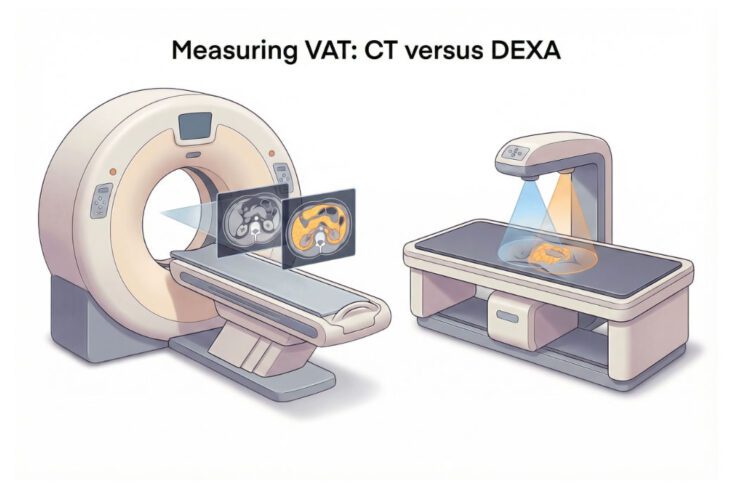
VAT is the principal metabolic culprit in cardiovascular risk. BMI—while simple—fails to capture fat distribution, muscle mass, or ageing effects. Waist-based anthropometrics, particularly waist circumference and waist-to-height ratio, more closely reflect VAT and strongly predict cardiovascular outcomes.For cardiologists, this explains why a tape measure around the waist is more valuable than a BMI calculation. Where precise measurement is required—such as in high-risk patients commencing GLP-1 therapy—DEXA and low-dose CT provide direct VAT quantification.In both prevention and clinical practice, tracking waist measurements makes far more sense than relying on BMI.