Providing independent clinical excellence since 2005

The SCVC Blog

Cardiovascular care news and articles from our expert team

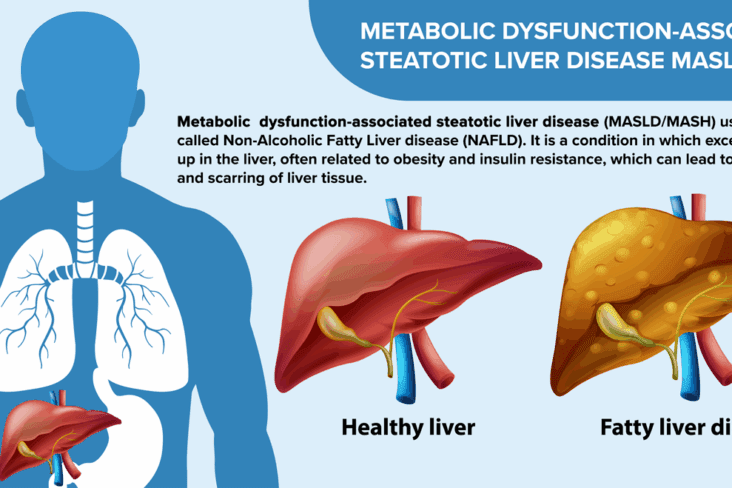
MASLD/MASH -metabolic dysfunction -associated steatotic liver disease: What You Need to Know

MASLD is a silent but important marker of metabolic health and another consequence of raised Visceral Adipose Tissue (VAT). Although often discovered by chance, it carries significant implications for both liver and cardiovascular wellbeing. Through caloric restriction, physical activity, improved nutrition, and early intervention, MASLD can usualy be stabilised or reversed — protecting not just the liver, but the heart as well.
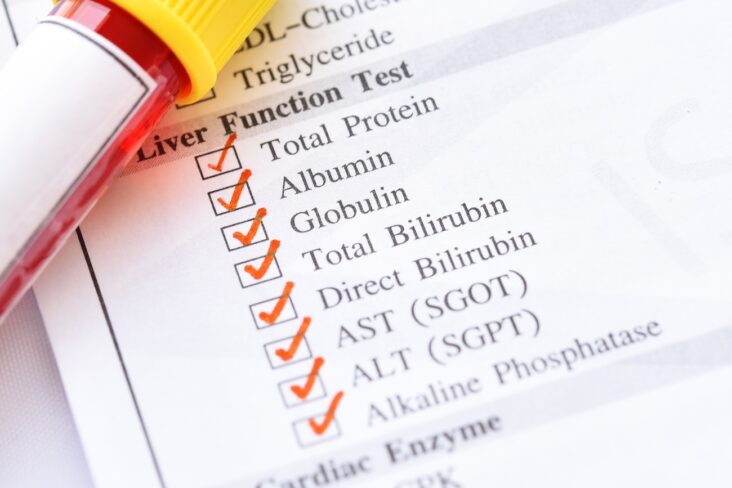
Interpreting Liver Function Tests in MASLD: Why “Normal” May No Longer Mean Healthy

Traditional upper limits for ALT (often ≤55 U/L in UK labs) were derived decades ago, before the epidemic of obesity and steatosis. Current evidence suggests these ranges are too high — and that values above 30 U/L may already indicate liver injury in people with metabolic risk. The British Society of Gastroenterology (BSG) guidelines emphasise that a result within the “normal range” may not be reassuring if the patient is metabolically high-risk

The 8-Month Metabolic Reset: A New Approach to Reversing Visceral Fat, Improving Blood Pressure and Blood Glucose

Thanks to digital health technology, many of the tools needed to correct low protein intake are now in the hands of patients. Food tracking apps can analyse the macronutrient breakdown of meals, allowing users to make informed adjustments. AI-based platforms can even suggest personalised meal plans that hit protein targets while remaining aligned with caloric needs and dietary preferences.