A Clear Guide for Patients and Families
Atrial fibrillation (AF) is the most common sustained heart rhythm disturbance in adults. It affects approximately 2–4% of the general adult population and around 5–8% of people by the age of 70, rising to more than 10% in those over 80.¹–³ Because AF becomes more common with age, many people will encounter it personally or within their family.
If you have recently been diagnosed, it is important to understand one reassuring fact:
Not everyone with atrial fibrillation needs to see a cardiologist.
For most patients, AF can be assessed and managed very effectively by a GP and their primary care team. Specialist referral is sometimes helpful, but not always necessary.
The key is understanding what type of AF you have, whether there are contributing factors, and what treatment strategy is right for you.
What Is Atrial Fibrillation?
In normal sinus rhythm, the heart beats in a steady and coordinated way. Electrical signals begin in a natural pacemaker and spread smoothly through the upper and lower chambers.
In atrial fibrillation, the electrical activity in the upper chambers (the atria) becomes disorganised. Instead of contracting efficiently, the atria quiver. The result is an irregular pulse, which is often faster than normal.
Some people experience:
- Palpitations
- Breathlessness
- Fatigue
- Reduced exercise tolerance
- Light-headedness
Others feel nothing at all.
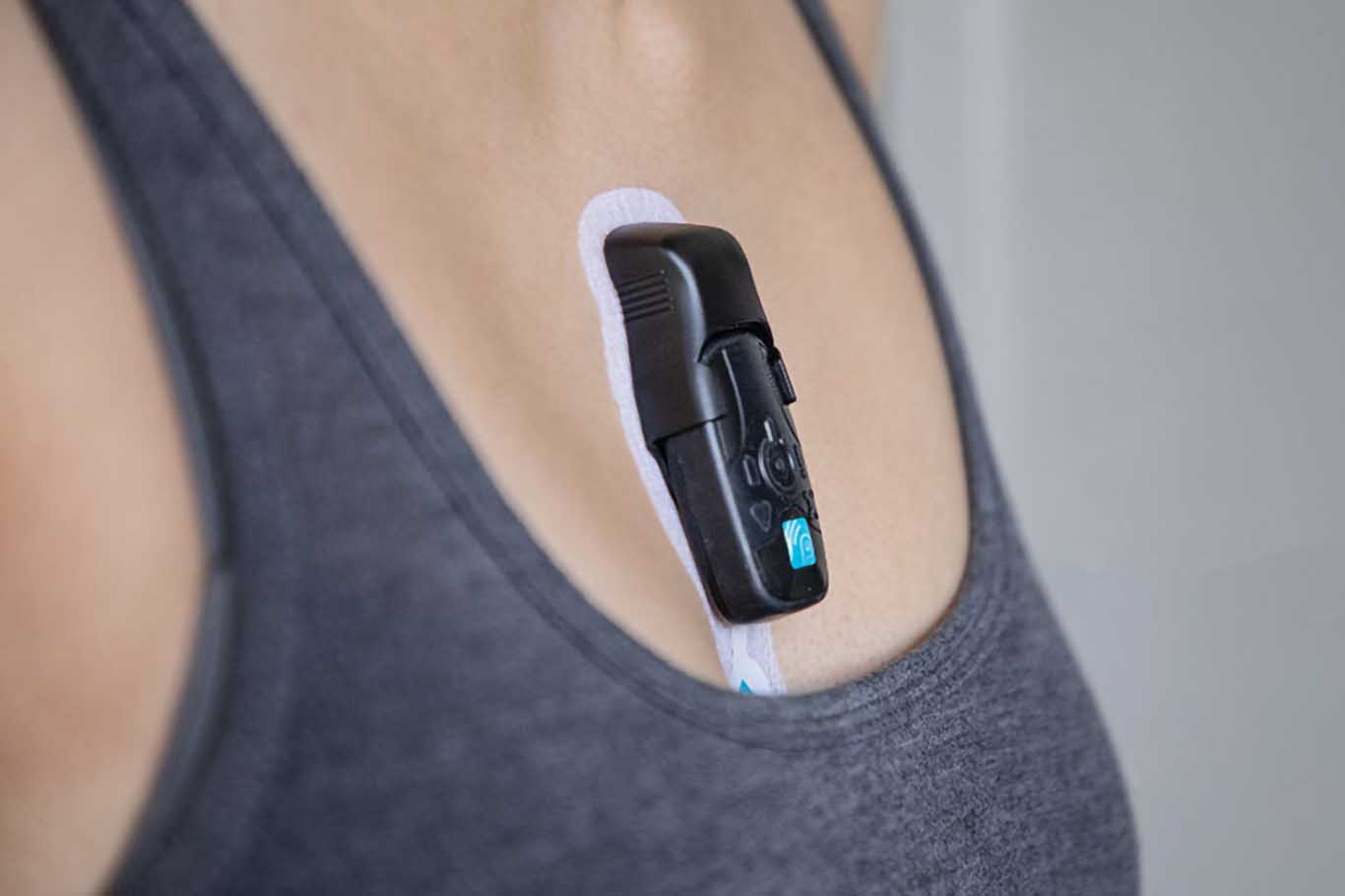
Increasingly, AF is detected incidentally through blood pressure monitors, smart watches and routine pulse checks.
The Three Types of Atrial Fibrillation
When AF is diagnosed, the first step is to determine which type is present.
1. Paroxysmal (Intermittent) AF
Episodes last more than 30 seconds but stop spontaneously. The heart returns to normal rhythm on its own.
Some patients feel clear symptoms. Others are unaware when episodes occur, which is why wearable monitoring devices are identifying increasing numbers of cases.
Over time, paroxysmal AF can progress in some individuals.
2. Persistent AF
Persistent AF does not revert to sinus rhythm on its own. Treatment may be required to restore normal rhythm.
This progression from paroxysmal to persistent AF can occur gradually as part of the natural history of the condition.
3. Permanent (Accepted) AF
Permanent AF describes a situation in which both patient and doctor accept that the rhythm will remain in AF long term.
In this setting, treatment focuses on controlling the heart rate and reducing stroke risk rather than restoring sinus rhythm.
Why Does AF Occur?
In many patients, AF is associated with identifiable conditions such as:
- High blood pressure
- Coronary artery disease
- Heart valve disease
- Cardiomyopathy
- Thyroid disorders
- Diabetes
- Obesity
- Sleep apnoea
However, it is equally important to recognise that some people develop AF without obvious structural heart disease. This is sometimes referred to as “lone AF”, particularly in younger individuals. In these cases, the heart may appear structurally normal on imaging.
AF is therefore not always a sign of serious underlying heart disease. It can occur in otherwise healthy individuals.
That said, even in people without structural abnormalities, broader physiological factors such as autonomic tone, inflammation, alcohol intake or metabolic stress may influence susceptibility.
A Broader View: AF and Metabolic Health
Modern cardiology increasingly recognises that AF is not purely an electrical problem.
In many patients — though not all — it reflects the broader environment in which the heart is operating.
Conditions such as:
- Hypertension
- Insulin resistance
- Type 2 diabetes
- Central weight gain
- Sleep apnoea
are strongly associated with AF.
One factor receiving increasing attention is visceral adipose tissue — fat stored deep within the abdominal cavity around the internal organs.
Unlike fat under the skin, visceral fat is metabolically active. It promotes inflammation, affects insulin regulation and may influence the structure and electrical properties of the atria.
Over time, this environment can:
- Enlarge the left atrium
- Promote microscopic fibrosis
- Increase susceptibility to AF
- Encourage progression from intermittent to persistent AF
This perspective is sometimes described as part of a newer era of cardiology — one that looks beyond rhythm alone and considers upstream drivers of disease.
Importantly, this does not mean that every patient with AF has a metabolic disorder. Many do not. But in those who do, addressing these factors can meaningfully reduce AF burden and improve long-term cardiovascular health.
What Tests Are Needed?
The extent of investigation depends on symptoms and risk factors.
The Essential Test: A 12-Lead ECG
A 12-lead ECG confirms the diagnosis and may reveal clues about underlying heart conditions.
If AF is intermittent, ambulatory ECG monitoring (such as a Holter monitor) may be used to capture episodes.
Blood Tests
Blood tests often assess:
- Thyroid function
- Kidney function
- Glucose levels
- Electrolytes
These help identify reversible triggers.
Echocardiography
An ultrasound scan of the heart evaluates:
- Heart muscle function
- Valve function
- Chamber size
- Structural abnormalities
Many patients with AF have entirely normal heart structure.
Stroke Prevention – The Most Important Priority
The most serious complication of AF is stroke.
Because the atria are not contracting effectively, blood can pool and clot. Anticoagulant medication significantly reduces stroke risk in patients who meet established risk criteria.
For many individuals, anticoagulation is the single most important treatment decision.
Rate Control or Rhythm Control?
Treatment strategies fall into two broad approaches.
Rate Control
Accepting the presence of AF but ensuring the heart rate remains appropriately controlled, particularly during activity.
This is often the main strategy in permanent AF.
Rhythm Control
Restoring and maintaining sinus rhythm using:
- Electrical cardioversion
- Antiarrhythmic medication
- Catheter ablation
Some medications are unsuitable in patients with coronary artery disease, which is why imaging may be performed before treatment is chosen.
For selected patients, particularly those with symptomatic paroxysmal AF, catheter ablation can be highly effective.
Lifestyle and Long-Term Outlook
Many patients live long and active lives with AF.
Lifestyle measures are important:
- Maintaining a healthy weight
- Limiting alcohol intake
- Controlling blood pressure
- Staying physically active
- Treating sleep apnoea if present
For patients with lone AF and structurally normal hearts, the outlook is often particularly favourable.
For those with associated cardiovascular risk factors, addressing these risks improves both symptoms and long-term health.
Final Thoughts
Atrial fibrillation is common. It is manageable. And in most cases, it is not immediately dangerous when appropriately treated.
Some people develop AF in the setting of structural heart disease. Others develop it despite a normal heart. Many fall somewhere in between.
Modern care focuses on:
- Confirming the diagnosis
- Assessing stroke risk
- Choosing appropriate rate or rhythm strategies
- Addressing broader cardiovascular health
With sensible investigation and personalised treatment, most patients can expect to live well with AF.
Understanding the condition replaces fear with clarity — and clarity allows confident, structured care.
Related Blogs
- Two ways AFib can cause stroke or heart attack
- What advice for patients at risk of AF?
- What is Atrial Fibrillation (AFib)?
- How AFib can present as a heart attack or stroke
References
- Chugh SS, Havmoeller R, Narayanan K, et al. Worldwide epidemiology of atrial fibrillation: a Global Burden of Disease 2010 Study. Circulation. 2014;129(8):837–847. https://doi.org/10.1161/CIRCULATIONAHA.113.005119
- Krijthe BP, Kunst A, Benjamin EJ, et al. Projections on the number of individuals with atrial fibrillation in the European Union. Eur Heart J. 2013;34(35):2746–2751. https://doi.org/10.1093/eurheartj/eht280
- Hindricks G, Potpara T, Dagres N, et al. 2020 ESC Guidelines for the diagnosis and management of atrial fibrillation. Eur Heart J. 2021;42(5):373–498. https://doi.org/10.1093/eurheartj/ehaa612