Providing independent clinical excellence since 2005

The SCVC Blog

Cardiovascular care news and articles from our expert team

Why Cardiovascular Prevention Matters Before 30

Emerging evidence shows that lifetime exposure to LDL cholesterol and high glucose variability are some of the strongest predictors of cardiovascular risk. Just as lung cancer risk is tied to pack-years of smoking, heart disease risk correlates with cumulative LDL levels and glucose metrics such as HbA1c over time.This is why some people in their 20s with risk factors (like diabetes or a family history of heart disease) are starting statin therapy preventatively. However, many are understandably hesitant to start medication so early. Lifestyle changes remain the cornerstone of early prevention.

Cardiovascular Health Under 20: A Guide for Young People and Their Families

It may seem unusual to talk about heart disease in teenagers and children, but the groundwork for heart health is laid early in life. Habits formed in youth often carry into adulthood, and many cardiovascular risk factors—like high cholesterol, high blood pressure, or obesity—can be silent, slowly progressing without symptoms.In families where heart disease runs deep, understanding risk and prevention from a young age can be life-changing.

5 things you should consider if your glucose spikes

Patients often ask about home monitoring tools — ECG devices, blood pressure monitors, glucose apps. We now also encourage people to track their waistline and visceral fat, using body composition scales alongside more traditional equipment.To support this, I have created a page of recommended home gadgets that can help patients take greater ownership of their health — a vital step towards a more proactive, prevention-focused model of care, guided by their clinical and educational team.

How does stress affect your heart?

Stress is an unavoidable part of modern life. We encounter it at work, at home, in traffic, and even while reading the news. Although we often discuss stress casually, its impact on the human body is profound—particularly on the cardiovascular system. In this article, we will explore how stress affects the heart and blood vessels, drawing on clinical insights, expanding scientific knowledge, and practical stress-management strategies. By the end, you will see why stress is a critical factor in any heart health strategy, along with steps you can take to mitigate its harmful effects.

How a daily junior aspirin can save millions of lives

Aspirin, or acetylsalicylic acid, is one of the oldest and most widely used medications in the world. Well known for its analgesic effects, it was later discovered to be effective in much smaller doses in preventing platelet aggregation that had a pivotal role in arterial thrombosis. Its  role in inhibiting platelet activity has made it a cornerstone in the prevention and treatment of arterial thrombosis. In this article, we will explore the fascinating role of platelets in acute coronary thrombosis, the mechanisms by which aspirin exerts its protective effects, and the clinical considerations for its use.

Does curcumin reduce inflammation and possibly lower raised LP (a)?

Research indicates that approximately 20% of the global population has elevated Lp(a), making it a prevalent, yet under-recognised, CVD risk factor. Despite its clinical significance, the management of elevated Lp(a) remains challenging. Standard lipid-lowering therapies, including statins, have little to no effect on Lp(a) and may even slightly increase its levels. However, emerging therapies such as PCSK9 inhibitors and innovative supplements like curcumin are shedding light on potential strategies to mitigate this risk.

Why do patients in atrial fibrillation get breathless?

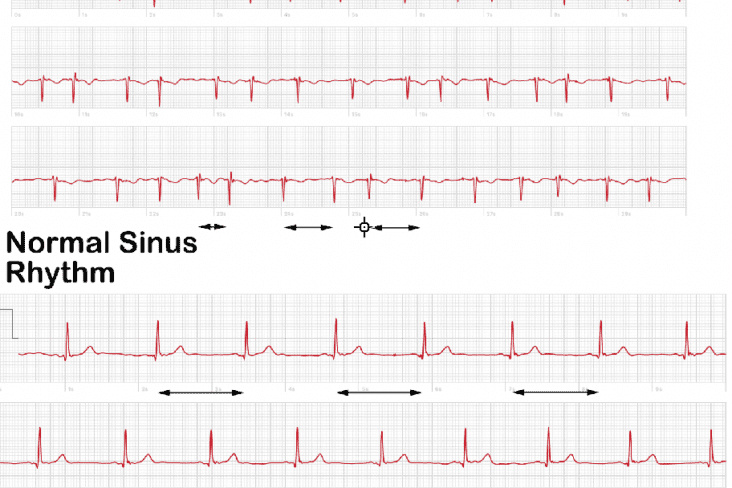
In atrial fibrillation or AFib, the atrial tissue quivers at approximately 600 cycles per minute, which means that it has no useful pumping function. The left atrium therefore, in patients with atrial fibrillation, merely acts as a passive conduit between the lungs and the left ventricle. It no longer serves to prime the left ventricle, and as a result, less blood enters the heart during diastole, less 'priming' occurs so cardiac output may fall. If ever you have experienced a car's turbo charger going 'on the blink' you will know that the car still GOES, but not very well, since it too suffers loss of output.  The left atrial pressure in many such cases will increase, causing oedema or fluid in the alveolar space, reducing gas exchange and contributing to the symptom of breathlessness.