
Overview: What Keto and Atkins Diets Do
The keto and Atkins diets have profound effects on hepatic lipid metabolism, and hence on LDL cholesterol handling. Let’s unpack this carefully through the lens of the endogenous cholesterol pathway.
Providing independent clinical excellence since 2005

The keto and Atkins diets have profound effects on hepatic lipid metabolism, and hence on LDL cholesterol handling. Let’s unpack this carefully through the lens of the endogenous cholesterol pathway.
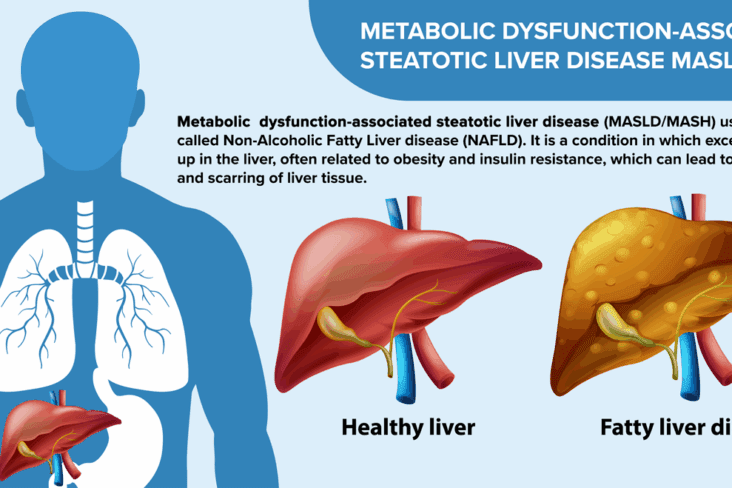
MASLD is a silent but important marker of metabolic health and another consequence of raised Visceral Adipose Tissue (VAT). Although often discovered by chance, it carries significant implications for both liver and cardiovascular wellbeing. Through caloric restriction, physical activity, improved nutrition, and early intervention, MASLD can usualy be stabilised or reversed — protecting not just the liver, but the heart as well.
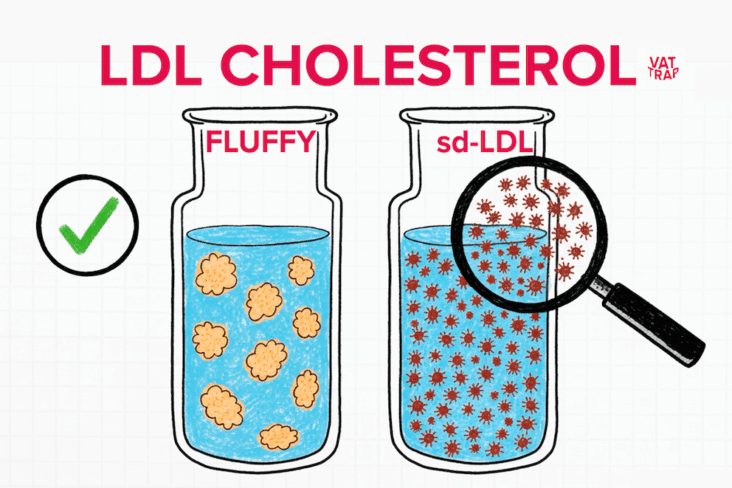
Small dense LDL (sdLDL) is the most harmful form of “bad cholesterol.” It forms when the liver overproduces VLDL — often driven by visceral fat and high insulin levels. Visceral fat sits deep around the organs and feeds directly into the liver, causing early metabolic disruption long before blood tests detect it.

HIIT interrupts this cycle by dramatically improving insulin sensitivity and glucose uptake in skeletal muscle — particularly in the large lower-limb muscles of the thighs and glutes. A single 20-minute session of HIIT can activate GLUT-4 transporters in muscle cells for up to 24–48 hours, drawing glucose out of the bloodstream and away from storage in the liver and visceral fat depots.
At Surrey Cardiovascular Clinic, we move beyond detecting risk to delivering a tiered, personalised framework for metabolic and cardiovascular prevention. Using real-time tools like CGM, the DoctorShape app, imaging, and nurse-led coaching, we help patients reduce visceral adipose tissue, improve insulin sensitivity, and restore metabolic health through lifestyle-first, data-guided care.
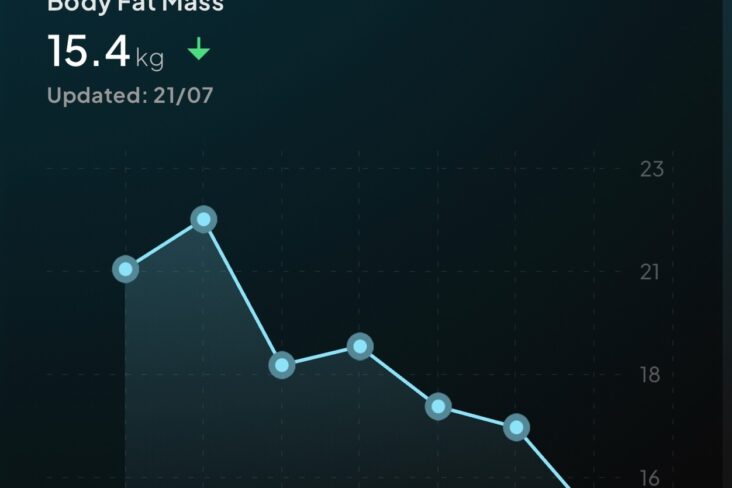
At Surrey Cardiovascular Clinic, we focus on preventing heart disease by tackling its metabolic roots early. Using advanced imaging, metabolic phenotyping, CGM, and tailored lifestyle or pharmacological interventions, we help patients reduce visceral adipose tissue (VAT), improve insulin sensitivity, and shift from risk to resilience through precision, feedback-driven cardiometabolic care.
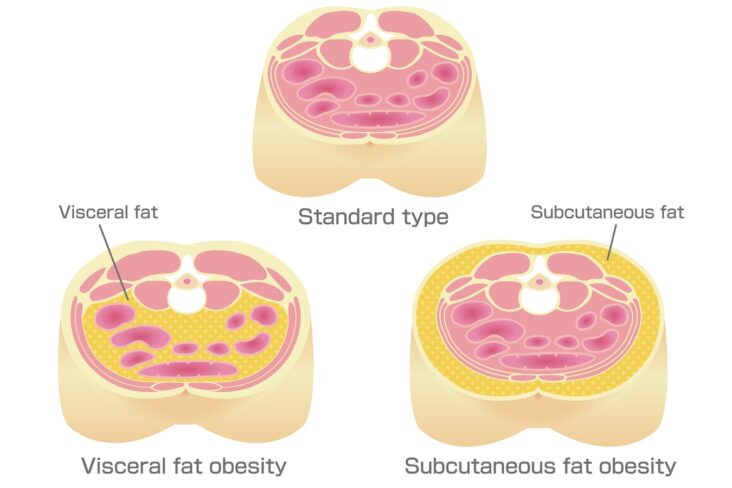
Visceral fat (VAT) is the dangerous, hidden fat stored around your organs that accumulates. when caloric intake exceeds energy demand, since glucose and fats that can’t be used gets stored as adipose tissue. This blog explains how ageing, muscle loss, glucose spikes and genetic factors all drive VAT accumulation — and how reversing the cycle requires restoring mitochondrial health, increasing muscle mass, and in many people, by reducing glycaemic overload.
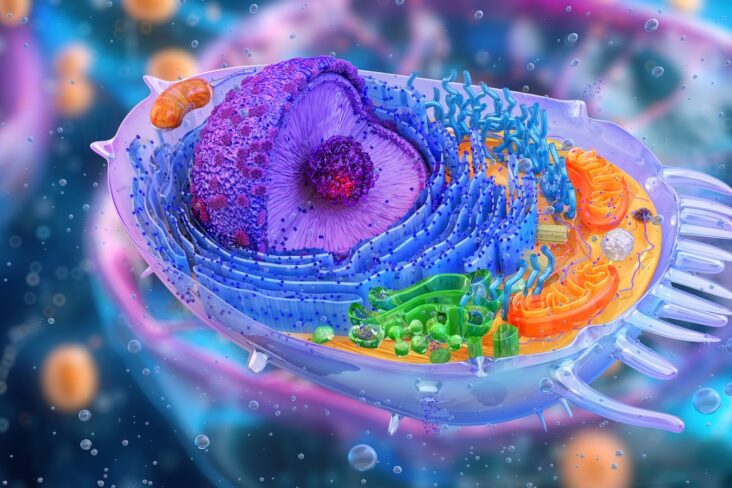
Mitochondria are the power stations inside every cell, converting food into energy. But in modern life, with constant carbohydrate intake and low energy demand, they become overwhelmed. Just like solar panels producing too much electricity for full batteries, mitochondria have nowhere to send surplus fuel. This triggers oxidative stress, inflammation, and early ageing. Insulin is meant to divert excess glucose to safe storage — but when that system fails, metabolic chaos follows. In this article, we explore how your mitochondria manage energy, what causes them to overload, and how lifestyle changes can help restore balance and protect long-term health

If have been told your weight is high but your blood tests are “fine”, or if you are living with breathlessness or atrial fibrillation, you may be wondering how your body fat is really affecting your heart and lungs.

Carbohydrate Sensitive Phenotype (CSP) is not a diagnosis of diabetes or obesity. Rather, it’s a biologically driven pattern of visceral fat accumulation and carbohydrate intolerance which is highly prevalent in those with a raised waist-to-height ratio (WHtR > 0.5), triggered by aging, Western-style diet and lifestyle. More importantly, CSP gives individuals a name for their experience—one that invites support instead of judgement, and allows them to engage with food and health choices free from social shame.

If you’re taking GLP-1 mimetics like Mounjaro, Ozempic, or Wegovy, you’re receiving a legitimate, medically prescribed therapy. Just like someone with asthma carries an inhaler, or a diabetic uses insulin, there’s no shame in needing a jab to support your metabolic health. Whether you are travelling or attending a hospitality event, here are some tips on how to navigate these new waters.
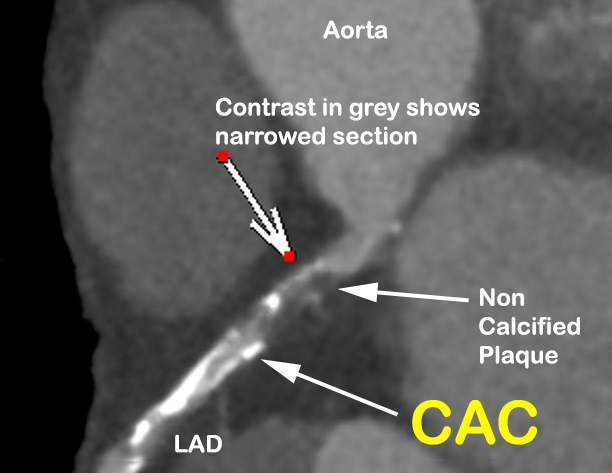
In 2025, with access to low-dose CT angiography, FAI analysis, and a deeper understanding of plaque biology, it is increasingly difficult to justify CAC scoring in younger individuals.