Providing independent clinical excellence since 2005

The SCVC Blog

Cardiovascular care news and articles from our expert team

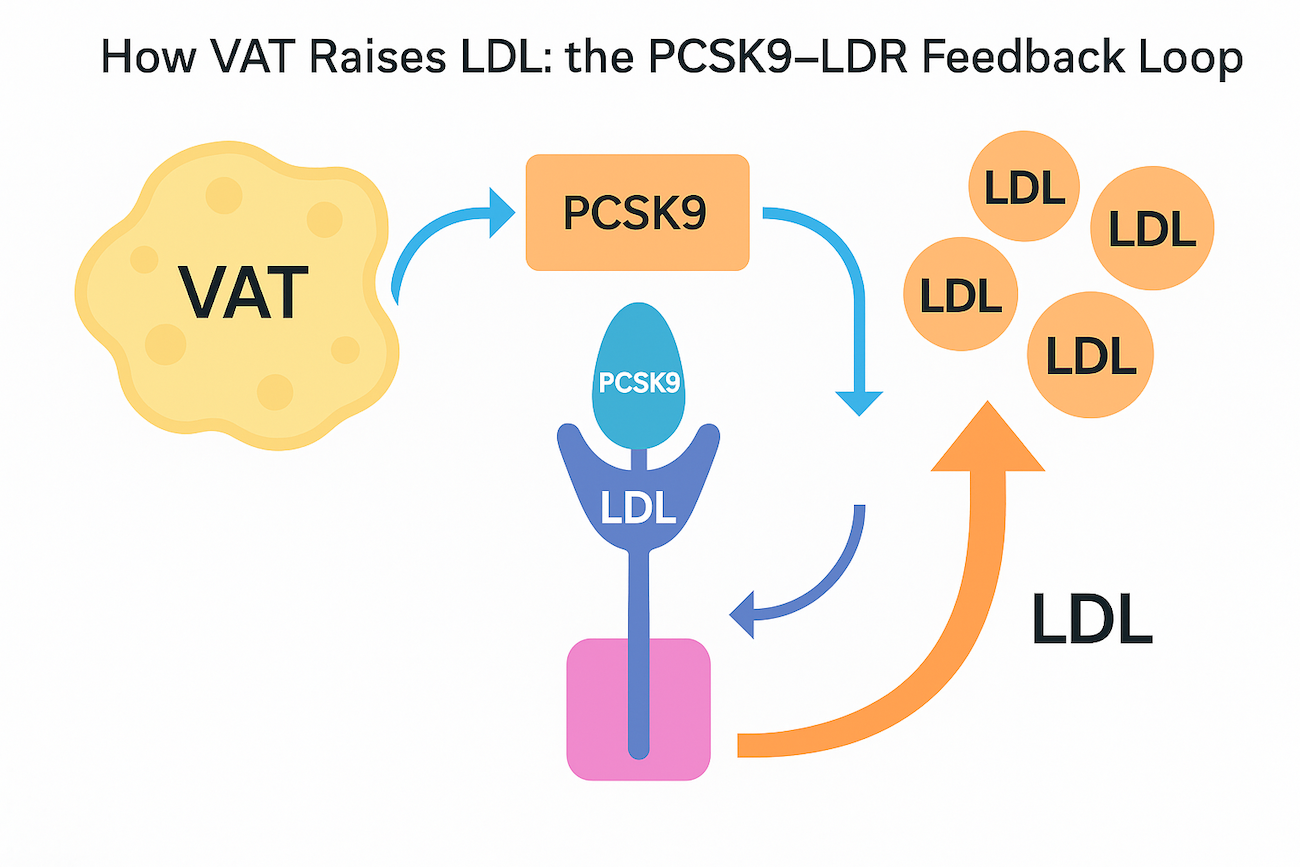
PCSK9, visceral fat, and the modern metabolic environment

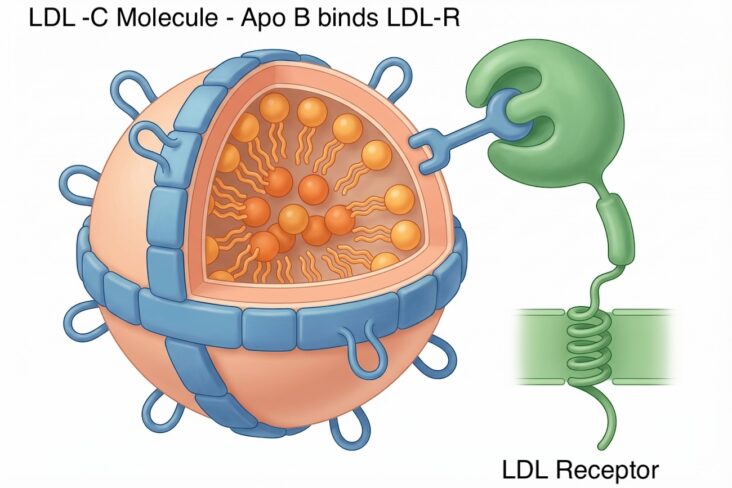
Because cholesterol is a fat-like substance, it cannot dissolve or travel freely in blood, which is mostly water. To move around, it must be packaged into microscopic transport particles called lipoproteins. One of these, LDL (low-density lipoprotein), acts as the main delivery vehicle, carrying cholesterol from the liver to cells that need it for repair or hormone production. In small amounts, LDL cholesterol is therefore completely normal and necessary. The problem only begins when too much LDL remains circulating in the blood for too long.

Your Genes and Fat: Why Some People’s Cholesterol Rises More Than Others

Reducing saturated fat intake is known to lower “bad” cholesterol (LDL-C) and reduce heart disease risk, but responses vary widely between individuals. Research shows that genetics strongly influence how much LDL rises when people eat foods like butter, cheese, or fatty meats compared with unsaturated fats such as olive oil, nuts, and oily fish. Even on the same diet, LDL responses can differ by up to 1 mmol/L, reflecting genetic differences in intestinal cholesterol absorption and how efficiently LDL is cleared from the bloodstream.