An article first published 26/6/2024 updated March 2026 by Dr Edward Leatham, Consultant Cardiologist. The opinions expressed in this article are entirely mine and not those of SCVC or a consensus view. © 2024 E.Leatham
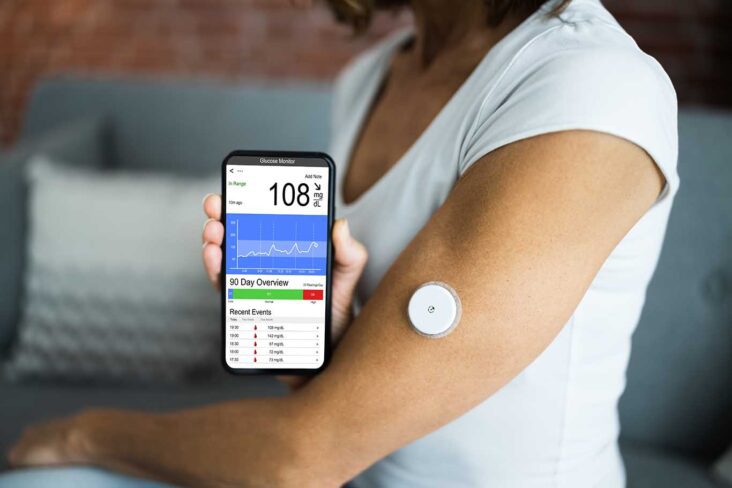
Continuous Glucose Monitors (CGMs) have transformed the management of diabetes by allowing patients to monitor glucose levels continuously throughout the day. These devices alert users to potentially dangerous levels of hyperglycaemia or hypoglycaemia and help ensure that food intake, medication and insulin therapy remain appropriately balanced.
Originally developed for patients with diabetes more than a decade ago, CGMs have recently become widely used by individuals interested in improving their metabolic health. Since around 2018, CGMs have increasingly been used outside diabetes care, particularly by people wanting to understand how their bodies respond to different foods and lifestyle patterns.
Although routine CGM use in non-diabetic individuals has not yet been formally recommended in clinical guidelines, the rapid growth of metabolic health research suggests these devices may provide valuable insights into early metabolic dysfunction.
Glucose Dysregulation and Cardiovascular Disease
At SCVC, we operate one of the UK’s largest independent services for advanced cardiac CT imaging. Using AI-supported analysis platforms such as HeartFlow and Caristo, we are able to measure coronary artery inflammation and other markers of cardiovascular risk.
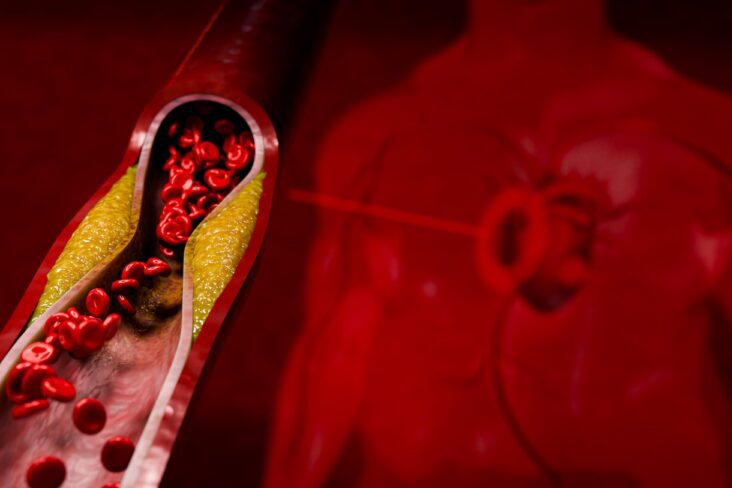
In a number of patients we have identified unexpectedly high levels of coronary inflammation despite normal traditional risk factors such as LDL cholesterol or lipoprotein(a). This has led us to explore additional contributors to cardiovascular disease, including glucose dysregulation and raised visceral adipose tissue (VAT) linked to insulin resistance.
There is increasing interest in whether repeated glucose spikes after meals may contribute to metabolic stress and vascular inflammation. While definitive long-term studies are still awaited, it seems reasonable to investigate metabolic patterns when conventional risk factors do not fully explain cardiovascular findings.
For this reason, some clinics—including ours—now offer metabolic health assessments that combine CGM monitoring with laboratory tests such as fasting glucose, insulin levels and glucose tolerance testing over a 7–10 day period.
When glucose dysregulation is identified, lifestyle changes—particularly dietary adjustments—can often significantly improve glucose patterns without the need for medication.
Interpreting CGM Results
The value of CGM lies not in a single glucose reading, but in the pattern of glucose fluctuations over time.
In general, healthy post-meal glucose responses tend to remain within approximately:
3.9–7.8 mmol/L (70–140 mg/dL)
Occasional values above this level may occur, particularly after large meals. However, frequent spikes above this range—especially values exceeding 10 mmol/L—may indicate impaired glucose regulation.
Monitoring how glucose behaves 30–60 minutes after meals can help identify foods that trigger large glucose rises.
Examples of common triggers include:
- Sugary drinks and fruit juices
- Highly refined carbohydrates such as white bread
- Large portions of starch-rich foods such as potatoes
Increasing dietary fibre, reducing refined carbohydrates and modifying meal composition can often help reduce these spikes.
Individual Differences in Glucose Responses
One of the most striking observations from CGM use is that individuals can respond very differently to the same foods.
Some people may experience very little glucose rise even after eating high-glycaemic foods, while others may see substantial spikes after relatively modest carbohydrate intake.
This variability is likely influenced by multiple biological factors including:
- Genetics (polygenic metabolic traits)
- Gut microbiome composition
- Insulin sensitivity
- Muscle glucose uptake
- Liver metabolism
Understanding these differences may help guide more personalised dietary strategies.
The Glucotype and Current Glucose Profile Framework
To help interpret CGM results in a consistent way, we have developed a simple framework described in more detail in the VAT Trap metabolic health article.
This framework separates three different aspects of metabolic health:
1. Glucotype (GT)
Glucotype describes a person’s innate ability to tolerate high-glycaemic carbohydrates without significant glucose spikes.
Individuals are broadly classified into three groups:
- GT1 – stable glucose responses even with carbohydrate intake
- GT2 – moderate glucose spikes after carbohydrate intake
- GT3 – frequent or large glucose spikes with carbohydrates
In some cases glucotype cannot be determined because a person is already eating a very low-carbohydrate diet during testing.
2. Current Glucose Profile (CGP)
While glucotype reflects underlying metabolic tendencies, the Current Glucose Profile (CGP) describes how glucose behaves during the monitoring period.
CGP patterns range from:
CGP I — very stable glucose levels
to
CGP V — frequent and prolonged glucose spikes
Importantly, CGP is modifiable through lifestyle changes, particularly dietary adjustments.
A person with carbohydrate sensitivity (GT2 or GT3) may still show a relatively stable CGP if they are already following a low-glycaemic diet.
3. Visceral Fat Status
Glucose patterns alone do not fully describe metabolic risk.
High levels of visceral adipose tissue (VAT)—fat stored around internal organs—are strongly associated with:
- insulin resistance
- metabolic syndrome
- cardiovascular disease
For this reason we also consider waist-to-height ratio, which provides a practical estimate of visceral fat levels.
A Combined Metabolic Classification
Combining these three factors gives a more complete picture of metabolic health.
Patients can therefore be described using a simple code:
Glucotype + Current Glucose Profile + VAT Grade
For example:
GT2 – CGP IV E
This would describe an individual who:
- is sensitive to carbohydrates
- has frequent glucose spikes
- has high visceral fat levels
Such individuals may be at increased risk of developing pre-diabetes or metabolic syndrome and may benefit from targeted lifestyle or medical interventions.
In contrast:
GT1 – CGP II B
would represent someone with good carbohydrate tolerance, relatively stable glucose patterns and healthy visceral fat levels.
Further explanation of this classification system can be found in the VAT Trap article on CGM interpretation and metabolic risk.
CGM Testing at SCVC
For individuals who already have CGM data, SCVC offers a medical interpretation service.
Patients can submit their CGM datasets, which are analysed using our metabolic assessment protocols. A clinical report can then be generated to help patients and their physicians better understand their glucose patterns.
This analysis focuses on identifying patterns of glucose dysregulation that may be relevant to metabolic health or cardiovascular risk.
A Note on Evidence
Although CGM technology is advancing rapidly, robust long-term studies examining CGM patterns in non-diabetic populations are still limited.
For this reason CGM data should be interpreted cautiously and in conjunction with established clinical assessments.
Nevertheless, understanding individual metabolic responses to food may provide useful guidance when considering dietary and lifestyle strategies aimed at improving metabolic health.
Further Reading
For a detailed explanation of the metabolic classification framework used in our assessments, please see the VAT Trap article on Glucotype, CGP and visceral fat risk. If you would like your glucose data to be data processed and/or reported by our medical experts, get in touch and we can provide a quotation free of any obligation to proceed.
- Lets compare continuous glucose monitor (CGM) results
- Five Reasons Why a Cardiologist Might Recommend a Continuous Glucose Monitor (CGM) to their Patient
- Biofeedback: CGM metrics improve after just 4 weeks of dietary intervention