
Statin holiday
A key component of evaluating statin-related symptoms is tracking them systematically. A symptom diary can help you visualise the severity and frequency of side effects over time. A "year-at-a-glance" dot plot is particularly useful.
Providing independent clinical excellence since 2005

A key component of evaluating statin-related symptoms is tracking them systematically. A symptom diary can help you visualise the severity and frequency of side effects over time. A "year-at-a-glance" dot plot is particularly useful.

Aspirin, or acetylsalicylic acid, is one of the oldest and most widely used medications in the world. Well known for its analgesic effects, it was later discovered to be effective in much smaller doses in preventing platelet aggregation that had a pivotal role in arterial thrombosis. Its role in inhibiting platelet activity has made it a cornerstone in the prevention and treatment of arterial thrombosis. In this article, we will explore the fascinating role of platelets in acute coronary thrombosis, the mechanisms by which aspirin exerts its protective effects, and the clinical considerations for its use.

The timing of intervention in aortic stenosis is critical. Delaying surgery or transcatheter procedures until symptoms become severe or complications arise can lead to poorer outcomes. Conversely, intervening too early may expose patients to unnecessary procedural risks. For exceptionally fit individuals aged 75-85, timely intervention can be particularly advantageous, as they may tolerate surgical aortic valve replacement (SAVR) better than expected for their age. In these cases, earlier treatment may prevent irreversible damage to the heart and reduce the risks associated with waiting until the disease progresses further.
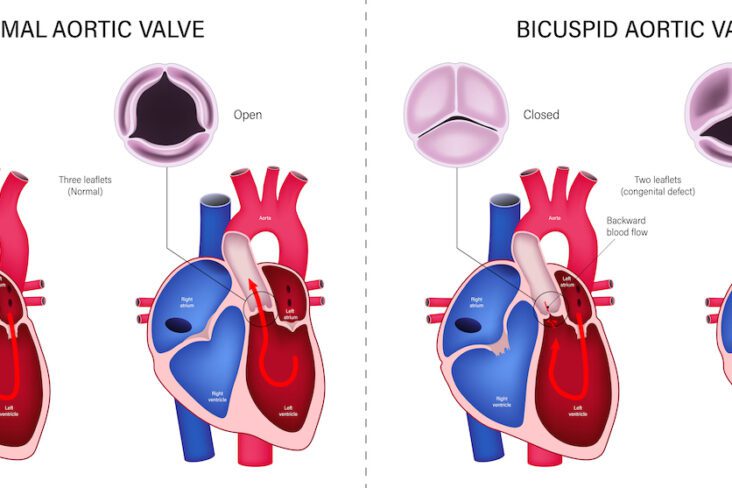
Aortic stenosis (AS) is a progressive and potentially life-threatening condition. It predominantly affects older adults and has significant implications for cardiovascular health, life expectancy, and quality of life. The incidence of AS is climbing because of increased life expectancy. Timely intervention, especially in symptomatic patients or those with progressing stenosis, is essential to optimise outcomes. This article explores the nuances of AS diagnosis, treatment decisions, and the importance of patient involvement in the care pathway.

Angina is not a disease in itself but a symptom of underlying cardiac problems. It is important for both patients and healthcare providers to recognise that angina acts as a warning sign of the heart’s distress. Typically manifesting during activities that increase the heart’s demand for oxygen, such as physical exertion or emotional stress, the anginal symptom indicates that the heart is not receiving enough oxygenated blood.

Research indicates that approximately 20% of the global population has elevated Lp(a), making it a prevalent, yet under-recognised, CVD risk factor. Despite its clinical significance, the management of elevated Lp(a) remains challenging. Standard lipid-lowering therapies, including statins, have little to no effect on Lp(a) and may even slightly increase its levels. However, emerging therapies such as PCSK9 inhibitors and innovative supplements like curcumin are shedding light on potential strategies to mitigate this risk.

An article by Dr Edward Leatham, Consultant Cardiologist © 2024 E.Leatham For busy people, or to tune in when on the move, Google Notebook AI audio podcast are available for this story beneath. Introduction Pulse rate or heart rate is a fundamental […]

This post is not for the faint hearted! It is a technical description of how the heart works, and may help some readers/listeners to understand the difference between HFpEF and HFrEF. The main objective of this blog is to emphasise the enormous potential of reducing left ventricular stiffening as we age. This can only be accomplished by paying attention to key health metrics from mid life, all influenced by lifestyle, diet and physical exercise

A slow heart rate may not cause symptoms in many people. However, when bradycardia leads to insufficient blood flow, symptoms may arise. The causes of bradycardia are discussed and what constitutes a normal range. An associated podcast is available too.
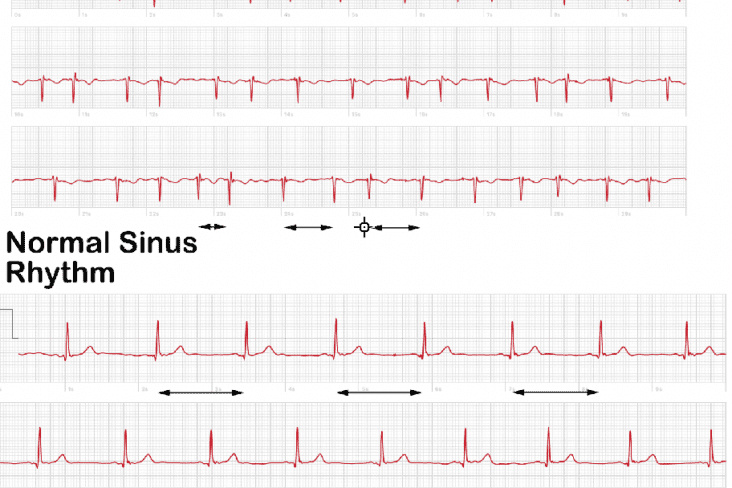
In atrial fibrillation or AFib, the atrial tissue quivers at approximately 600 cycles per minute, which means that it has no useful pumping function. The left atrium therefore, in patients with atrial fibrillation, merely acts as a passive conduit between the lungs and the left ventricle. It no longer serves to prime the left ventricle, and as a result, less blood enters the heart during diastole, less 'priming' occurs so cardiac output may fall. If ever you have experienced a car's turbo charger going 'on the blink' you will know that the car still GOES, but not very well, since it too suffers loss of output. The left atrial pressure in many such cases will increase, causing oedema or fluid in the alveolar space, reducing gas exchange and contributing to the symptom of breathlessness.

Recent scientific discoveries have aligned much like planets, leading to an inescapable conclusion among many physicians that glucose metabolism may be even more important than LDL cholesterol in the genesis of many modern diseases.

An article by Dr Edward Leatham, Consultant Cardiologist. As cardiologists, our primary focus is often on diagnosing, treating, and managing cardiovascular diseases, which is essential to healthcare. However, heart health involves more than just addressing immediate conditions—it also includes promoting […]