Providing independent clinical excellence since 2005

The SCVC Blog

Cardiovascular care news and articles from our expert team

PCSK9, visceral fat, and the modern metabolic environment

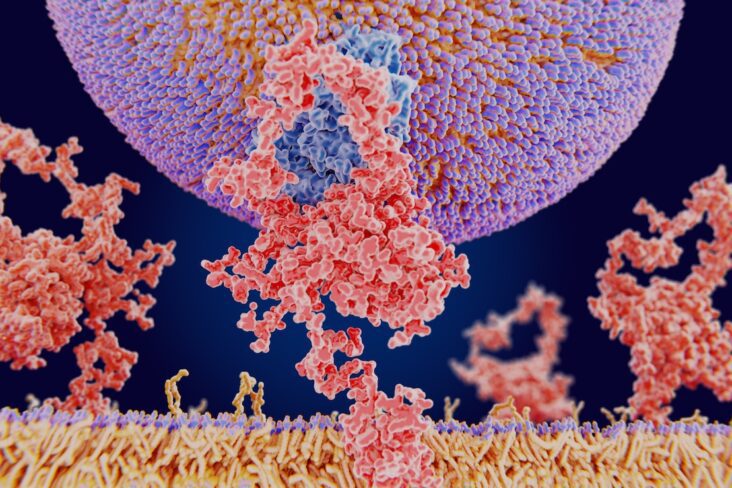
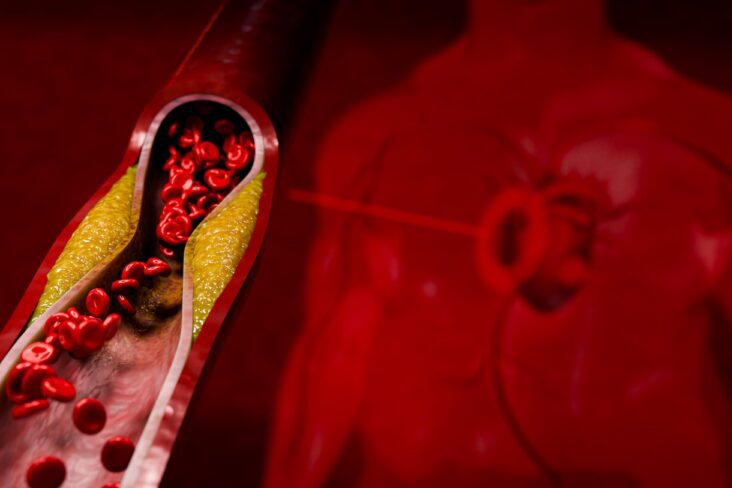
Because cholesterol is a fat-like substance, it cannot dissolve or travel freely in blood, which is mostly water. To move around, it must be packaged into microscopic transport particles called lipoproteins. One of these, LDL (low-density lipoprotein), acts as the main delivery vehicle, carrying cholesterol from the liver to cells that need it for repair or hormone production. In small amounts, LDL cholesterol is therefore completely normal and necessary. The problem only begins when too much LDL remains circulating in the blood for too long.

Statins, Absolute Benefit, and the Problem of Residual Risk

When people think about cholesterol, they often imagine it as something floating in the blood, disconnected from body fat. In reality, the type and location of body fat — particularly visceral fat (VAT) — profoundly influence how the liver packages and clears cholesterol. Raised VAT doesn’t just sit silently around the organs; it acts like an endocrine organ, sending chemical distress signals that shift lipid metabolism in an atherogenic direction.