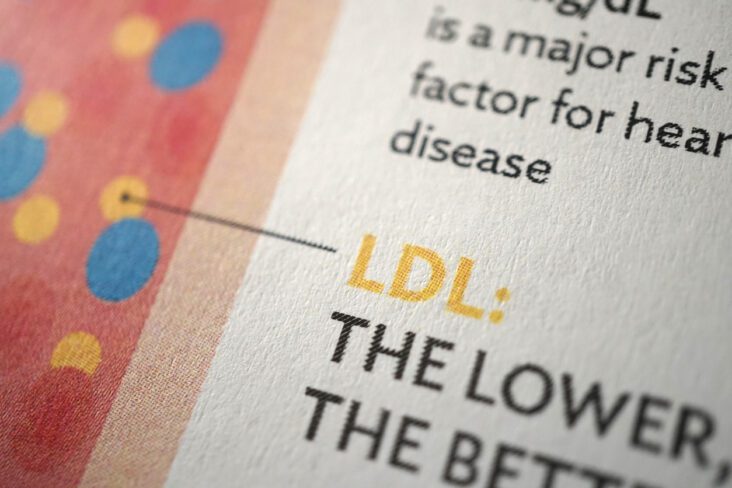
LDL: the lower the better
Being born with almost no circulating cholesterol (or reduction of LDL to zero by drugs) results in nothing except a zero-lifetime risk of atherosclerosis (or cessation and reduction in atherosclerosis).
Providing independent clinical excellence since 2005

Being born with almost no circulating cholesterol (or reduction of LDL to zero by drugs) results in nothing except a zero-lifetime risk of atherosclerosis (or cessation and reduction in atherosclerosis).

The start of a series of simple video explanations covering all of the main common medical conditions that can affect us, as we age.

A heart attack happens when the 'holes' in at least four layers align by chance. Understanding this model helps us realize that heart attack prevention involves more than dealing with just one factor, such as by taking a statin.

Gain-of-function mutations in PCSK9 increase LDL cholesterol by accelerating LDL receptor degradation, helping explain inherited cardiovascular risk. Unlike evolutionary adaptations such as sickle-cell heterozygote advantage, these mutations directly enhance protein activity. Understanding this genetic pathway has transformed cholesterol science and led to powerful new treatments for coronary artery disease.

By Juliette Martin, Nutritional Therapist: Over the past year, a family of medications called GLP-1 agonists, often referred to as the ‘skinny jab’ has captured widespread media attention.

Written by Dr Edward Leatham, Consultant Cardiologist: Our metabolic health screen incorporates data processing to provide feedback to the patient on their GV status, using both graphical and numerical stats.
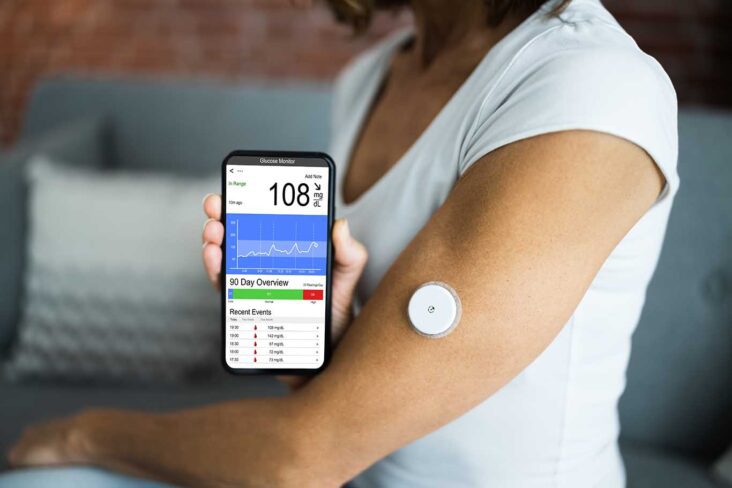
When blood sugar levels are consistently high, causing prediabetes and diabetes, the risk of conditions such as heart disease and type 2 diabetes increase in the long-term. It is easy to understand why the phenomenon of glucose spiking, where blood sugar levels surge and then fall back into the normal range after a meal, is also widely considered to be harmful.

This article looks into the role of PCSK9, the development of PCSK9 inhibitors, their efficiency, and their potential as a game-changer in the management of cardiovascular diseases. It provides a short exploration of the subject, drawing upon the most recent and relevant research and guidelines.

Groundbreaking research from Oxford University reveals it is possible to detect and quantify ‘coronary inflammation’ – invisible to the human eye on conventional CT images, but detectable using artificial intelligence techniques.

As we begin 2024, I want to highlight three groundbreaking developments from 2023 that promise a brighter future for healthcare, two of which leverage the power of artificial intelligence (AI).

Atrial fibrillation is a common but manageable heart rhythm condition. Understanding how it affects your heart rate, particularly during illness, empowers you to monitor changes early and work proactively with your doctor. With the right knowledge and self-care, you can confidently take control of your heart health.

Written by Dr Edward Leatham, Consultant Cardiologist: In this article, we shed light on various underlying factors that can lead to this cardiovascular emergency.