
What techniques are out there to reduce glucose spikes?
This blog explores how individuals can conduct their own experiments to maintain a steady blood glucose and avoid potentially unhealthy glucose spikes above 7.8 mmol/L (140 mg/dL).
Providing independent clinical excellence since 2005

This blog explores how individuals can conduct their own experiments to maintain a steady blood glucose and avoid potentially unhealthy glucose spikes above 7.8 mmol/L (140 mg/dL).

The CaRi Heart Score leverages artificial intelligence and advanced imaging techniques to provide a more comprehensive assessment of coronary inflammation, even before non calcified and calcified plaque becomes detectable on CT.

There is a wealth of evidence linking pre-diabetes, raised HbA1c, and full-blown type 2 diabetes to increasing cardiovascular risk. Lesser degrees of a pre diabetic metabolism could therefore have an important role in causing long-term atherosclerosis.

Detecting coronary calcification on CT has been known as a sign of having coronary artery disease for over 30 years, but now the thinking has changed, and it might be logical to conclude that, if you have non calcified coronary artery disease, the best you can hope for is a strategy that calcifies your plaque!
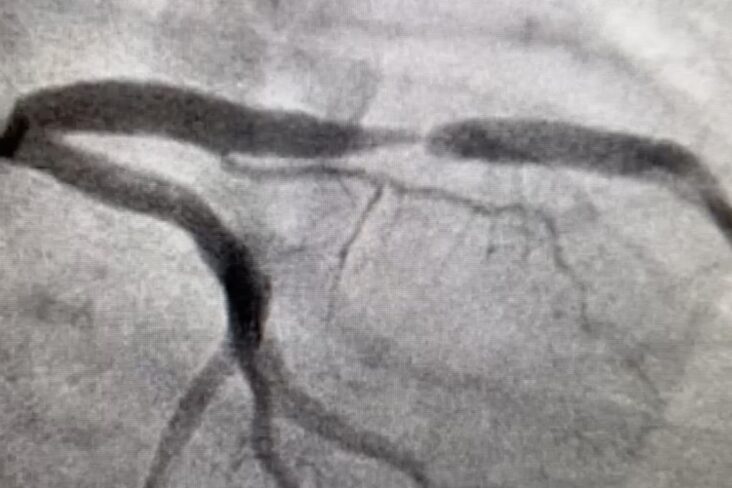
Recognition that significant coronary artery disease exists without calcification led to the wider user of contrast-enhanced CT scans to detect both calcified and noncalcified plaques. Even more advanced scans identify not only the non calcified plaques, but also areas of inflammation (using data processing to measure FAI), that a non-contrast CT (such as a CAC scan) would otherwise miss. Sequential CAC to follow up disease progression quickly established that an increase in CAC with age was inevitable in most patients and not linked to clinical course, so is not widely practiced.

Diastolic heart failure (often referred to as 'Heart failure with preserved Ejection Fraction' or 'HFpEF') arises from ventricular stiffening due to age, hypertension, and various other rarer heart conditions. The aging component of this process is unavoidable, but maintaining optimal blood pressure through midlife is achievable and, if successful, should prevent additional left ventricular stiffening attributed to hypertension. By regularly monitoring blood pressure and using effective medication, we can help patients live longer with healthier hearts.

Grip strength measurement reveals cardiovascular risk more accurately than traditional markers by reflecting muscle function as endocrine organ. Declining strength drives coronary disease through inflammatory pathways. Progressive resistance training provides powerful cardiovascular protection.

In this guide, we will explore a multifaceted approach involving increased physical activity, dietary modifications, and consistent monitoring to effectively lose fat and enhance overall health.

Lp(a) testing is advised for individuals at high risk for cardiovascular disease, including those with a prior stent or bypass operation, coronary syndrome or heart attack as well as anyone with a family history of coronary heart disease, high FAI (coronary inflammation) or high risk patterns on Cardiac CT angiograms. In our practice, Lp (a) is offered as part of our comprehensive Metabolic Health assessment (MHA1).

Continuous glucose monitors are transforming diabetes care, but their insights may extend far beyond diabetic patients. Evidence suggests that post-meal glucose spikes and glucose variability may influence cardiovascular health. While definitive trials are still needed, CGMs offer a practical tool to help patients understand metabolic responses and adopt healthier dietary and lifestyle habits.

Numerous epidemiological studies have supported the hypothesis that high homocysteine levels are a risk factor for cardiovascular diseases. For example, the Framingham Heart Study demonstrated that individuals with homocysteine levels in the top fifth percentile had a nearly doubled risk of developing coronary artery disease compared to those with levels in the bottom 80 percent.

The medical understanding of a "heart attack" can sometimes diverge from the layperson's perception. Many people interpret a heart attack as any acute, potentially fatal cardiac event, regardless of its cause. This discrepancy necessitates a deeper exploration of heart attack causes unrelated to coronary artery disease, particularly for understanding familial risks and discussing preventative measures like statins.