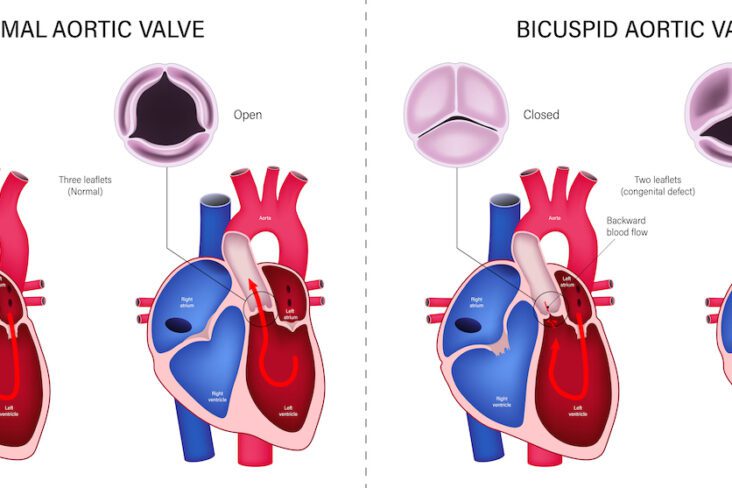
When to Operate in Aortic Stenosis: Timing, Symptoms, and Considerations for Intervention
The timing of intervention in aortic stenosis is critical. Delaying surgery or transcatheter procedures until symptoms become severe or complications arise can lead to poorer outcomes. Conversely, intervening too early may expose patients to unnecessary procedural risks. For exceptionally fit individuals aged 75-85, timely intervention can be particularly advantageous, as they may tolerate surgical aortic valve replacement (SAVR) better than expected for their age. In these cases, earlier treatment may prevent irreversible damage to the heart and reduce the risks associated with waiting until the disease progresses further.