An article written by Dr Edward Leatham, Consultant Cardiologist
Tags: Angina, Coronary heart disease, NH1 search website using Tags to find related stories.
Introduction to Angina
Angina pectoris, commonly known simply as angina, is a clinical syndrome characterised by chest pain or discomfort resulting from myocardial ischaemia—conditions under which the blood flow to the heart muscle is insufficient to meet its metabolic demands. This symptom can be the first indicator of coronary artery disease (CAD), the most common type of heart disease, which is why recent onset angina is usually investigated as a priority.
Understanding Angina: A Symptom of Underlying Issues
Angina is not a disease in itself but a symptom of underlying cardiac problems. It is important for both patients and healthcare providers to recognise that angina acts as a warning sign of the heart’s distress. Typically manifesting during activities that increase the heart’s demand for oxygen, such as physical exertion or emotional stress, the anginal symptom indicates that the heart is not receiving enough oxygenated blood.
Types of Angina
- Stable Angina: The most common form, triggered by physical exertion or stress and relieved within minutes by rest or nitroglycerin.
- Unstable Angina: A more dangerous form that occurs unexpectedly, at rest or with minimal exertion. It is less predictable and more severe than stable angina. Left untreated, unstable angina can progress to a heart attack.
- Variant (Prinzmetal’s) Angina: Caused by a spasm in the coronary arteries, which restricts blood flow. It occurs at rest and can be severe.
Causes of Angina
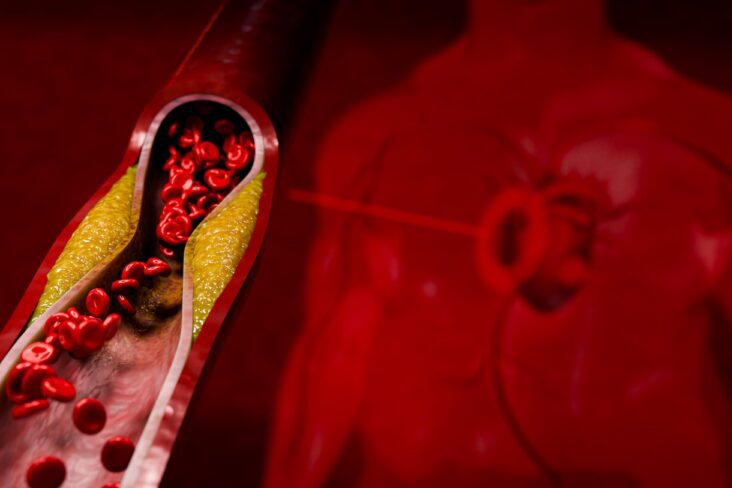
- Coronary Artery Disease (CAD): The most common cause of angina. CAD results from atherosclerosis, the build-up of plaques in the coronary arteries which reduces blood flow to the heart muscle.
- Aortic Stenosis: Narrowing of the aortic valve impeding the flow of blood from the heart to the rest of the body can strain the heart and lead to angina.
- Hypertrophic Cardiomyopathy: Thickening of the heart muscle which then increases the heart’s demand for oxygen and outstrips available supply.
- Anaemia: A lower than normal count of red blood cells means less oxygen can be transported to the heart muscle, potentially causing angina symptoms even without coronary artery blockages.
- ‘Microvascular’ angina – a mysterious entity that resembles angina caused due to a blocked artery, but where, on investigation no narrowing is found. This is also sometimes called syndrome X.
Symptoms of Angina
- Chest Pain: Often described as aching, pressure, or squeezing in the chest. Due to the variation in innervation of the heart some patients get difficult on exertion such as tooth ache, or back ache instead of chest symptoms. Others only feel breathless.
- Radiating Pain: Discomfort may spread to the arms, shoulders, neck, back, or jaw.
- Other Symptoms: Shortness of breath, nausea, fatigue, dizziness, and sweating.
Diagnosing Angina
Diagnosing angina involves a combination of patient history, physical examinations, and diagnostic tests:
- Electrocardiogram (ECG): Measures the heart’s electrical activity and can detect patterns indicative of ischaemia.
- Stress Testing: Assesses heart function and blood flow while the patient undergoes physical exertion or medication-induced stress. Although not as accurate as ct angiography, stress testing is a useful triage test.
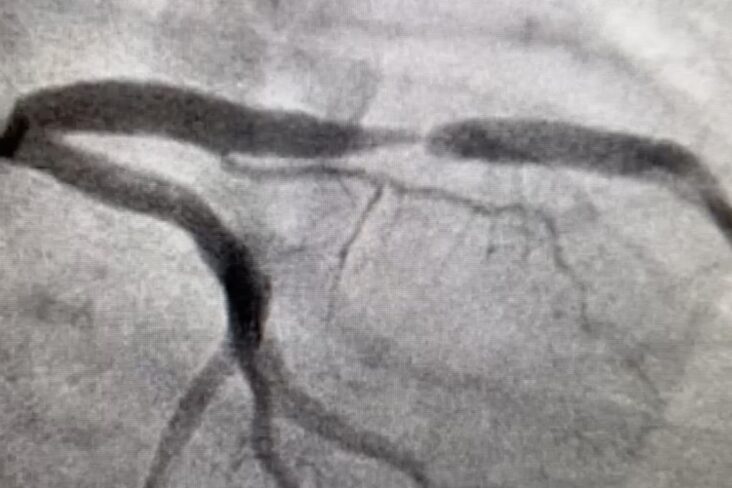
- Imaging Tests: such as echocardiograms, cardiac CT scans, and coronary angiograms provide detailed images of the heart’s structure and blood flow.
Management and Treatment
The management of angina focuses on relieving symptoms and preventing escalation:
- Medications: Such as nitrates for quick relief from angina attacks, beta-blockers and calcium channel blockers to reduce the heart’s workload, and antiplatelet drugs to prevent blood clots.
- Lifestyle Changes: Encouraging regular exercise, a healthy diet, smoking cessation, and stress management.
- Surgical Procedures: In severe cases, angioplasty or coronary artery bypass grafting (CABG) might be necessary to restore adequate blood flow to the heart muscle.
Living with Angina
Living with angina requires adjustments to maintain a high quality of life while managing the risk of heart disease. Patients must closely monitor their symptoms, adhere to prescribed treatments, and maintain regular follow-ups with their healthcare providers.
Preventive Measures
Preventing angina involves addressing the risk factors for heart disease:
- Regular Exercise: Maintains cardiovascular health and weight management.
- Medication such as statins
- Healthy Diet: Rich in fruits, vegetables, whole grains, and lean proteins to reduce blood pressure and cholesterol levels.
- Monitoring: Regular check-ups to assess heart health and modify treatments as necessary.
Conclusion
Angina is a multifaceted symptom with numerous triggers and manifestations, reflecting various underlying pathologies of the heart. Effective management requires a thorough understanding of its causes, prompt recognition of its symptoms, and diligent adherence to treatment protocols. By demystifying angina and promoting informed approaches to its management, we can significantly improve outcomes for patients experiencing this common yet complex cardiovascular symptom.
The Naked Heart is an educational project owned and operated by Dr Edward Leatham. It comprises a series of blog articles, videos and reels distributed on Tiktok, Youtube and Instagram aimed to help educate both patients and healthcare professionals about cardiology related issues.
If you would like to receive email notification each week from the Naked Heart, follow me on social media or please feel free to subscribe to the Naked Heart email notifications here