Providing independent clinical excellence since 2005

The SCVC Blog

Cardiovascular care news and articles from our expert team

Who Can You Trust? The Rise of Anti-Statin Narratives and the Crisis of Trust in Modern Medicine

One of the greatest challenges in the online world is investigator bias. Any “expert” with a strong conviction — whether pro- or anti-statin — can easily find studies that appear to confirm their view. The internet is full of such cherry-picked data. When presented with confident authority, this can sound utterly convincing to a lay audience. The reality is that true medical understanding does not come from one paper, one YouTube video, or one self-proclaimed authority.

Examples of CT VAT scans and normal ranges for VATI

At SCVC we use low dose CT to measure visceral adipose tissue (VAT). With a radiation dose of 1mSv - equivalent to 1/4 of the dose used in a mammogram. The test determines what proportion of an expanded waistline is visceral (metabolically dangerous) versus subcutaneous (metabolically benign) fat. When combined with other anthropometrics such as weight, height, waist we use AI to calculate a metabolically healthy target waist and weight to aim for. A example of a repeat scan after 3 months of GLP-1 mimetic is also shown.

Dietary Fats: From Villain to Vital Nutrient – Rethinking Fat in a Heart-Healthy Diet

Dietary fats have been wrongly maligned for much of modern nutritional history. But as the science evolves, it's clear that fat – far from being harmful – is a vital macronutrient that supports energy metabolism, hormonal health, brain and heart function, and even weight control.Rather than fearing fat, we should focus on:Avoiding refined carbohydrates and ultra-processed foods. Prioritising whole food sources of fat, including nuts, seeds, dairy, eggs, fish, and healthy oils. Understanding individual needs, especially in those with insulin resistance or carbohydrate sensitivity. Viewing nutrition in context, rather than isolating single nutrients as heroes or villains.The time has come to move beyond fat-phobia and embrace a more nuanced, evidence-based approach to eating. In a balanced, whole-food diet, fat is not the problem — it’s part of the solution.

What are the latest guidelines target for LDL?

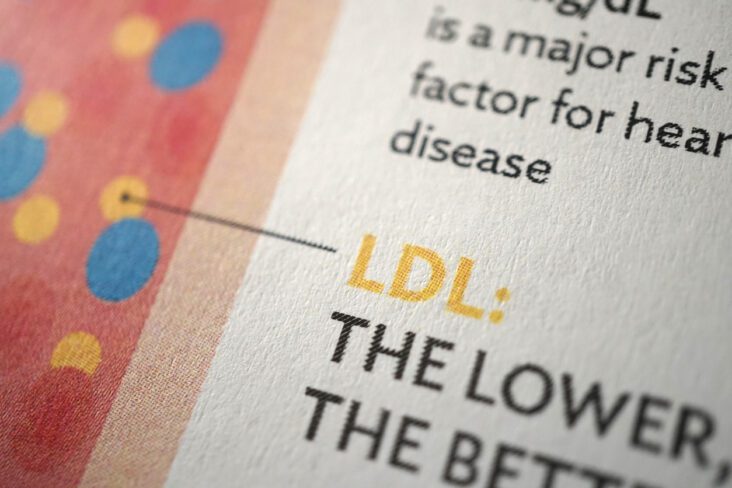
For patients who have been diagnosed with an acute coronary syndrome, requiring bypass surgery or stent, or have CT Angiography and or raised FAI, the latest European and UK guidelines reflect the finding that there is no lower limit for LDL yet discovered, basically meaning the lower the better. These recommendations come after new trials with lower targets showed better outcomes. As a result, millions of people around the world need to be looking more carefully at whether they are taking sufficient medication to lower their LDL to these new targets, for the very best outcomes to be achieved.