Providing independent clinical excellence since 2005

The SCVC Blog

Cardiovascular care news and articles from our expert team

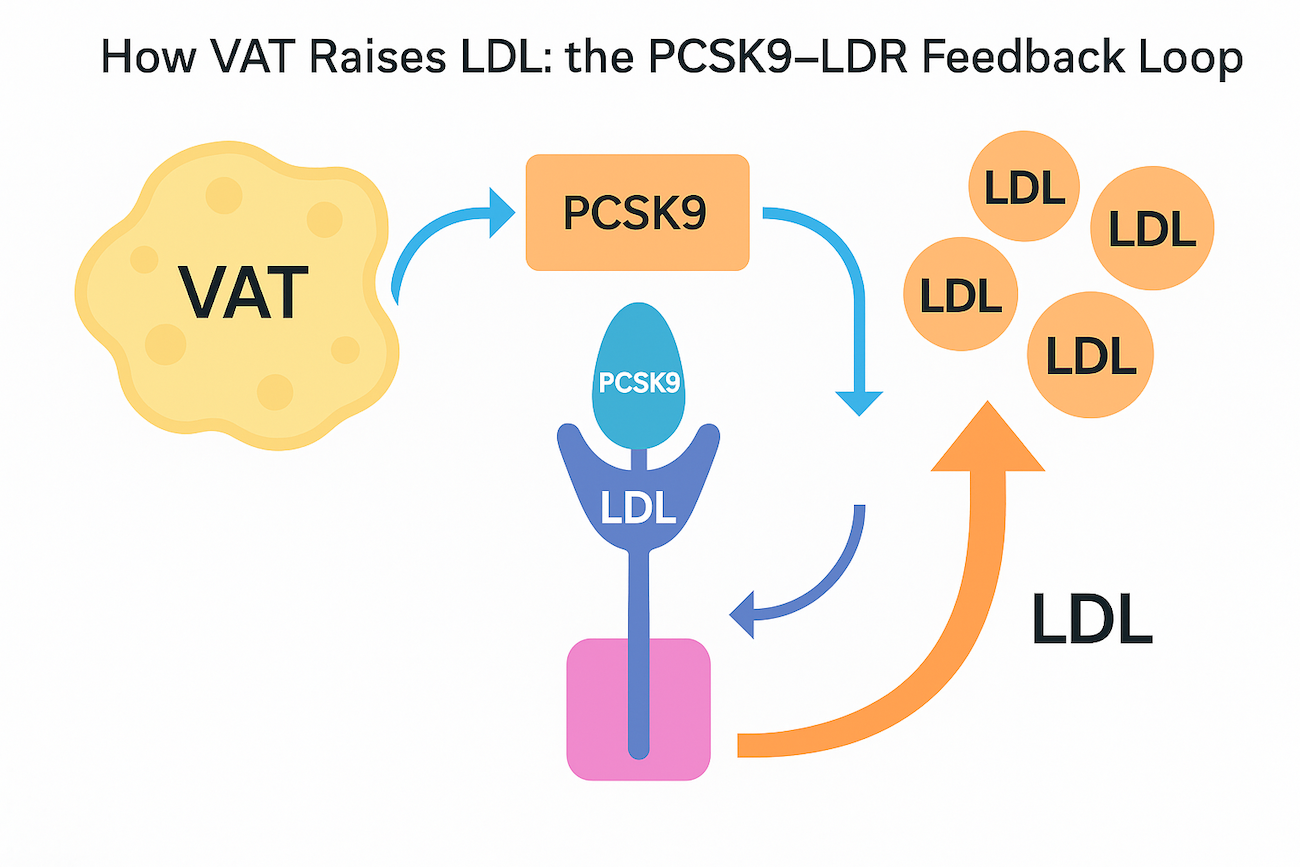
PCSK9, visceral fat, and the modern metabolic environment

Because cholesterol is a fat-like substance, it cannot dissolve or travel freely in blood, which is mostly water. To move around, it must be packaged into microscopic transport particles called lipoproteins. One of these, LDL (low-density lipoprotein), acts as the main delivery vehicle, carrying cholesterol from the liver to cells that need it for repair or hormone production. In small amounts, LDL cholesterol is therefore completely normal and necessary. The problem only begins when too much LDL remains circulating in the blood for too long.

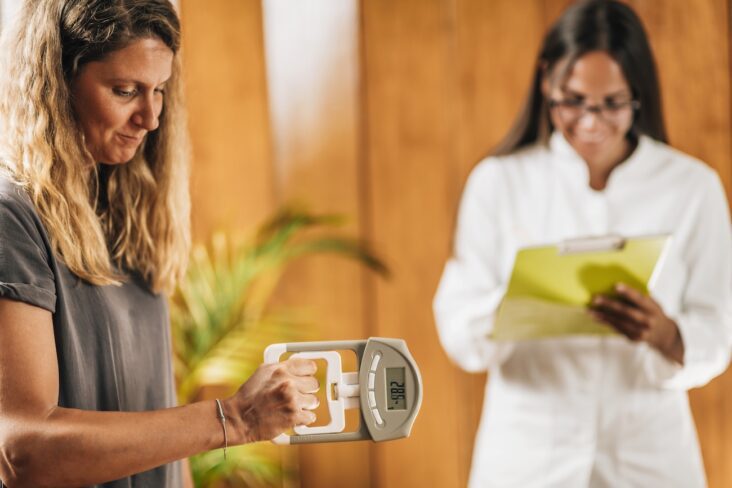
“Why Am I Out of Breath?” — The Hidden Link Between Belly Fat and Breathlessness

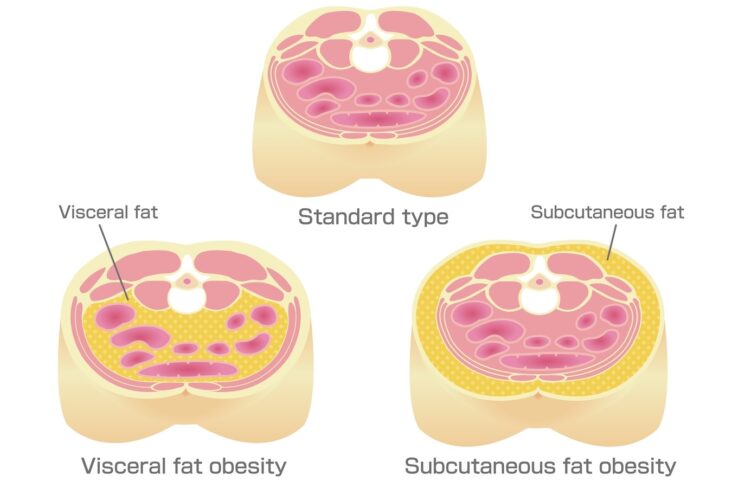
If you have ever found yourself feeling breathless climbing stairs or walking uphill — even though your lung and heart tests are “normal” — you are not alone.Many people attribute it to age or fitness. But recent research has uncovered a powerful hidden cause of breathlessness: visceral fat — the fat stored deep inside your abdomen, around your organs. In this blog, we will explore what visceral fat is, how it affects your breathing, and — most importantly — what you can do about it.

5 things you should consider if your glucose spikes

Patients often ask about home monitoring tools — ECG devices, blood pressure monitors, glucose apps. We now also encourage people to track their waistline and visceral fat, using body composition scales alongside more traditional equipment.To support this, I have created a page of recommended home gadgets that can help patients take greater ownership of their health — a vital step towards a more proactive, prevention-focused model of care, guided by their clinical and educational team.

How does stress affect your heart?

Stress is an unavoidable part of modern life. We encounter it at work, at home, in traffic, and even while reading the news. Although we often discuss stress casually, its impact on the human body is profound—particularly on the cardiovascular system. In this article, we will explore how stress affects the heart and blood vessels, drawing on clinical insights, expanding scientific knowledge, and practical stress-management strategies. By the end, you will see why stress is a critical factor in any heart health strategy, along with steps you can take to mitigate its harmful effects.

Does curcumin reduce inflammation and possibly lower raised LP (a)?

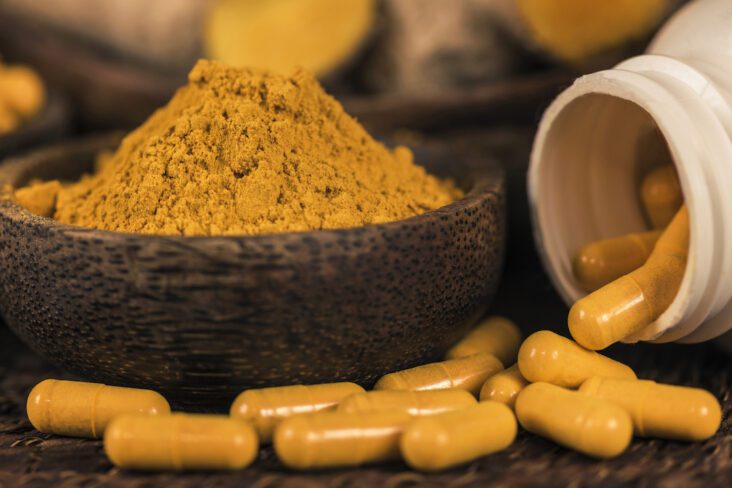
Research indicates that approximately 20% of the global population has elevated Lp(a), making it a prevalent, yet under-recognised, CVD risk factor. Despite its clinical significance, the management of elevated Lp(a) remains challenging. Standard lipid-lowering therapies, including statins, have little to no effect on Lp(a) and may even slightly increase its levels. However, emerging therapies such as PCSK9 inhibitors and innovative supplements like curcumin are shedding light on potential strategies to mitigate this risk.