Providing independent clinical excellence since 2005

The SCVC Blog

Cardiovascular care news and articles from our expert team

Your Genes and Fat: Why Some People’s Cholesterol Rises More Than Others

Reducing saturated fat intake is known to lower “bad” cholesterol (LDL-C) and reduce heart disease risk, but responses vary widely between individuals. Research shows that genetics strongly influence how much LDL rises when people eat foods like butter, cheese, or fatty meats compared with unsaturated fats such as olive oil, nuts, and oily fish. Even on the same diet, LDL responses can differ by up to 1 mmol/L, reflecting genetic differences in intestinal cholesterol absorption and how efficiently LDL is cleared from the bloodstream.

So what does determine your LDL (‘bad’) Cholesterol?

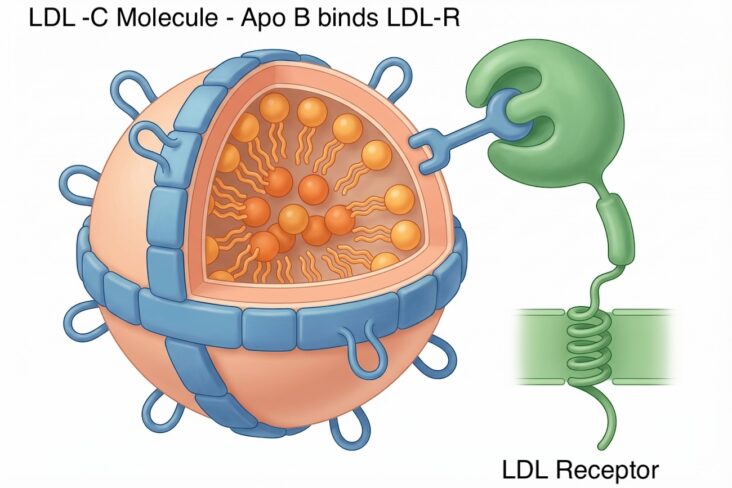
Statins are a mind boggling biological 'ruse'. When this medication is taken orally, it causes liver cells to become deficient in essential cholesterol, so they respond by increasing the number of cell surface LDL receptors, thereby enhancing their capacity to extract LDL particles from the blood, significantly lowering circulating LDL levels. Statins remain the most effective and well-known way that doctors can lower LDL levels to prevent or treat coronary heart disease.